
How to Ship from 1688: Options, Costs and Process
1688 sellers do not ship internationally, so “shipping from 1688” always means a two-step journey: the goods first travel from the seller to a warehouse inside China, then from that warehouse to your country. The second leg is the one most people mean when they ask about shipping, and it is done by courier, air freight, sea freight or a door-to-door DDP service.
The platform itself will not help you with any of it — there is no built-in international checkout, no export support and no cross-border tracking. Everything international is handled outside 1688, by the agent or forwarder you choose. That sounds like friction, and it is, but it is also why a small amount of setup unlocks genuinely low wholesale prices.
This guide walks through how the whole thing works, compares the shipping methods you can choose from, explains what actually drives the price, and covers the process and the mistakes to avoid. All times and costs below are ranges that shift with weight, volume, destination and the current freight market — confirm them on your own order rather than treating them as fixed.
The 1688 shipping problem in one paragraph
1688 is Alibaba’s domestic B2B marketplace, built for Chinese buyers. Sellers price in renminbi, take payment through Alipay, and dispatch with domestic couriers to addresses in mainland China. Export is not part of the platform’s job, so an international buyer needs a layer in between — usually a China buying agent, or a freight forwarder if the buyer already manages the purchasing themselves. That layer receives the goods in China and then runs the international leg.
How 1688 shipping works: the two-leg journey
Think of every 1688 shipment as two separate trips. The first leg is domestic: the seller sends your order by a Chinese courier to a warehouse — typically your agent’s consolidation warehouse in a port city such as Shenzhen or Guangzhou. This leg is cheap and usually takes one to three days. The second leg is international: the warehouse repacks and relabels the goods, prepares export documents, and hands them to a courier, an airline or an ocean carrier bound for your country.
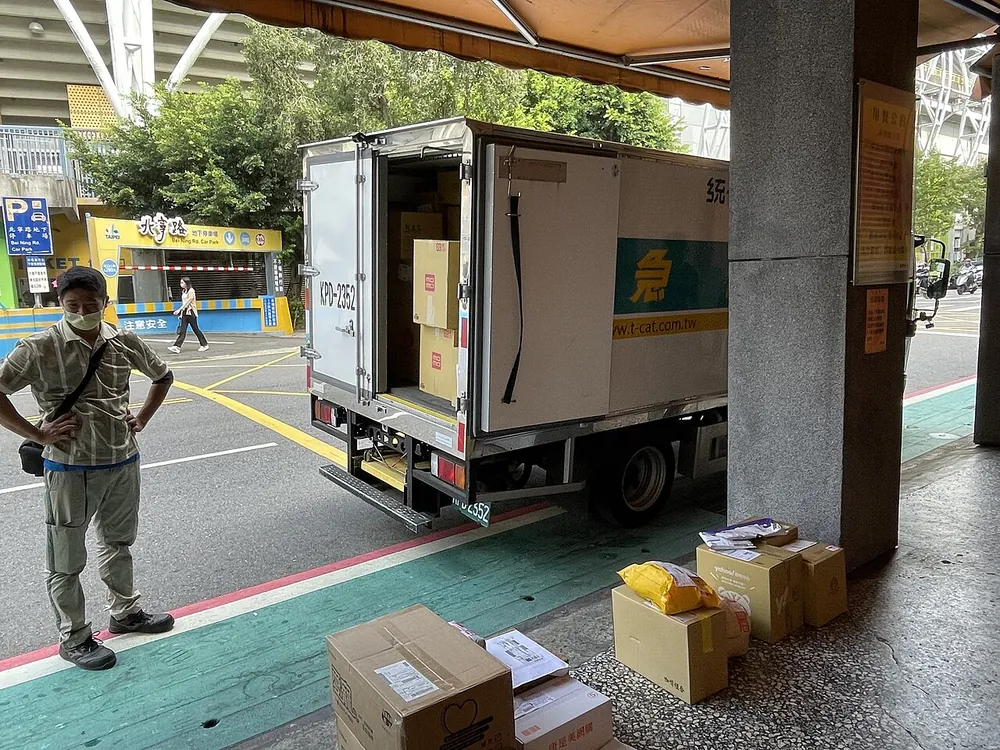
The two-leg structure matters because it explains most of the friction: you cannot simply give a 1688 seller your home address and expect a parcel. Someone in China has to receive the domestic delivery first, and that someone is what a buying agent or forwarder provides.
Shipping methods from 1688 compared
Once your goods are sitting in a China warehouse, four methods cover almost every order. They trade speed against cost, and the right choice depends on how heavy the goods are and how fast you need them.
| Method | Typical transit time | Cost per kg | Best for | Tracking |
|---|---|---|---|---|
| Express courier (DHL, FedEx, UPS) | 3–8 days | Highest | Small, urgent, high-value | Door-to-door, detailed |
| Air freight | 5–12 days door to door | High | Moderate weight, time-sensitive | Air waybill |
| Sea freight (LCL / FCL) | 25–45 days door to door | Lowest | Heavy or bulky, no rush | Container / bill of lading |
| DDP door-to-door | Varies by mode | All-inclusive | Buyers wanting duties handled | Depends on underlying mode |
Express courier is the default for small parcels because it is the least work: one carrier, one tracking number, door to door. Its weakness is price, which climbs sharply with weight. Sea freight is the opposite — cheap per kilogram but slow, which is why it suits a restock rather than an urgent sample. DDP is a pricing model, not a mode: the quote bundles duties and taxes into one figure. When you compare quotes, always compare landed cost, not just the freight line. Our shipping from China guide and the single-mode deep dives on sea freight and air freight go into each method in more detail.
As a rough decision rule: under a few kilograms and urgent, use express courier. A few to a few dozen kilograms and time-sensitive, use air freight. Anything heavy, bulky or non-urgent, use sea freight. And if you want one predictable price with duties handled, choose DDP on top of whichever mode fits. Most small orders start with courier or DDP, and move to air or sea as the volume grows.
What actually determines your 1688 shipping cost
Freight is not a flat rate. The price you are quoted is the result of a handful of variables, and understanding them helps you shop quotes instead of being surprised by them.
| Factor | How it affects price |
|---|---|
| Chargeable weight | Air and courier bill on the higher of actual or volumetric weight |
| Shipping mode | Courier > air > sea in cost per kg |
| Destination | Distance and destination surcharges vary by country |
| Consolidation | Fewer, larger shipments cost less than many small ones |
| Fuel and season | Fuel surcharges and peak-season rates move the price |
| Duties and taxes | Included under DDP, otherwise payable on arrival |
The chargeable-weight rule is the one that surprises people most. Carriers charge on volumetric weight for anything light but bulky: a big box of foam can bill as if it were much heavier than it is. That is why repacking well matters, and why two orders of the same real weight can produce very different freight bills.
Chargeable weight, explained with an example
Air freight and express couriers do not bill on what your box weighs on a scale. They bill on the higher of two numbers: the actual weight, and the volumetric weight. Volumetric weight is calculated from the box’s dimensions — a standard air-freight formula is length × width × height in centimetres, divided by a fixed divisor (commonly 5000 or 6000 depending on the carrier). The result is the weight the carrier says your parcel “uses”, regardless of what it actually weighs.
Here is why it matters. Say you order 20 lightweight but bulky items — think insulated lunch bags or foam inserts — that weigh 8 kg in total but fill a box measuring 60 × 40 × 40 cm. The volumetric weight is 60 × 40 × 40 ÷ 5000, which is 19.2 kg. You pay freight on roughly 19 kg, not 8 kg, more than double the real weight. Repacking those same items into a smaller, tighter box can cut the bill dramatically. This is one of the reasons a warehouse that repacks well is worth more than the tiny handling fee it charges — more detail is in our shipping cost from China guide.
How consolidation cuts your 1688 shipping cost
The single biggest lever on 1688 shipping cost is consolidation. If you buy from three different sellers and ship three separate parcels, you pay three base fees and three minimum charges. If you have them all delivered to one China warehouse and combined into a single export box, you pay one shipment. The saving is largest for small, low-value orders that would otherwise each eat a courier minimum charge.
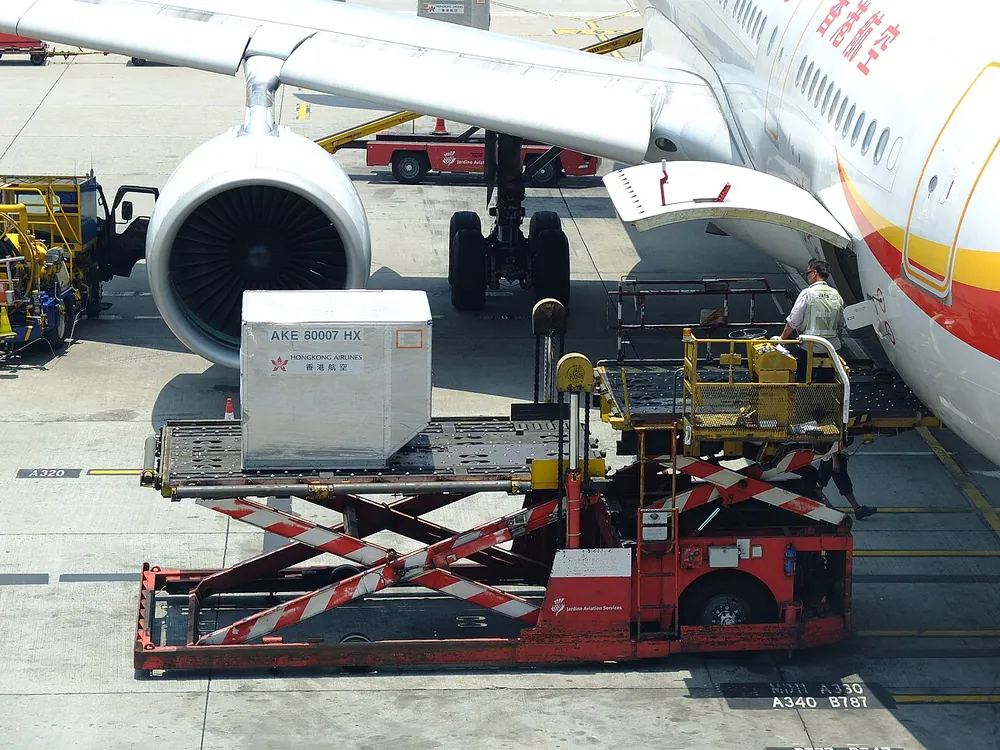
Consolidation is also where a buying agent earns its keep: it receives every order, holds them, and combines them when the last one arrives. The mechanics are covered in our 1688 consolidation and multi-supplier consolidation guides. If you are buying across many suppliers regularly, it is the difference between a shipping bill you plan for and one you dread.
Incoterms for 1688 orders: EXW, DAP and DDP
Incoterms are the three-letter codes that define who pays for what and where responsibility changes hands. For 1688 orders three of them cover almost everything. EXW (ex works) means the seller’s job ends at their factory gate — you or your agent arrange and pay for everything from there. DAP (delivered at place) means the seller or your forwarder delivers to your address, but duties and import taxes are still yours to pay. DDP (delivered duty paid) means the landed price already includes duty and taxes, so the number you are quoted is close to the number you pay.
The mistake to avoid is assuming “door to door” means DDP. Door to door describes the delivery, not who pays the duties. If a quote does not say DDP, budget for duty and VAT or GST on top. Our DDP shipping from China guide explains the trade-off in full.
| Term | Seller / agent covers | You pay | Best for |
|---|---|---|---|
| EXW | Goods made available at factory | Everything after, including collection | Experienced buyers with their own logistics |
| DAP | Delivery to your address | Duties and import taxes on arrival | Buyers wanting door delivery, handling duties themselves |
| DDP | Delivery plus duties and taxes | One all-in landed price | Buyers who want a predictable final cost |
What you can and cannot ship from 1688
Not everything on 1688 can be exported or mailed internationally. Restricted and dangerous goods — items with lithium batteries, liquids, aerosols, magnets, pressurised containers, and products with certain chemicals — face extra rules and sometimes cannot go by courier at all. Branded goods can hit intellectual-property checks at customs. Some products are legal to sell in China but restricted or banned at the destination, and it is the buyer’s responsibility to confirm what their country allows.
Before you commit to an order, tell your agent exactly what the product is, including any battery, liquid or chemical content. A good agent flags restricted goods before you pay, and the destination country’s rules are your responsibility to check — a buying agent can advise on the shipping side but is not a customs or compliance authority.
Packaging, labelling and the paperwork
Export packaging is not the same as retail packaging. Goods leave China in a carton that must survive being stacked, moved and potentially handled many times before it reaches you, so a good warehouse repacks loose or flimsy packaging into something sturdier. The label carries the destination address, a description of the contents and the value, and it is often written twice to survive handling.
The paperwork matters because a mistake here is what gets a parcel held at customs. The commercial invoice describes what is inside and its value, and it is the document customs uses to assess duty and tax. A low declared value can speed things up in the short term but is not worth the risk of a rejected or seized shipment, and the declared value should match the real transaction. Your agent prepares this paperwork; your job is to make sure the description and value are accurate.
Step-by-step 1688 shipping process
Step 1 — Buy and pay
Your agent confirms the unit price and minimum order quantity, you pay, and the agent pays the seller. Payment to a Chinese supplier from overseas is its own topic, covered in our guide on how to pay a 1688 supplier from overseas.
Step 2 — Domestic delivery to the warehouse
The seller dispatches by Chinese courier to your agent’s warehouse. This leg is fast and cheap, and it is where tracking usually begins in earnest.
Step 3 — Check, repack and consolidate
The warehouse confirms the item and quantity, repacks for export and combines your orders. If you want an independent pre-shipment inspection before anything leaves China, that is a separate service — providers such as ForeignGo handle third-party inspection, outside what the shipping and buying flow covers.
Step 4 — Choose the shipping method
You pick courier, air, sea or DDP based on weight, value and urgency, and the agent books it.
Step 5 — Export, customs and import
The shipment clears Chinese export, then import in your country, where duty or VAT may apply unless you chose DDP.
Step 6 — Final delivery
The parcel lands at your door, or at your forwarder’s depot for pickup, depending on the service.
1688 shipping mistakes to avoid
The most common mistakes are all avoidable. Shipping each order separately instead of consolidating is the biggest silent cost. Ignoring chargeable weight means getting quoted on real weight and billed on volume. Choosing the wrong Incoterm — expecting DDP when you bought DAP, or vice versa — causes surprise charges at customs. Overlooking restricted or dangerous goods can get a shipment held or returned. And committing to a large order without a sample leaves you with no way to course-correct. A good agent flags these before they cost you money, which is a large part of why the buying-agent route exists.
One more thing worth deciding up front is insurance. Freight insurance is cheap relative to the value of a shipment, and it matters most for high-value or fragile goods. Ask whether your quote includes coverage and what it actually covers — loss and damage are the usual scope, but exclusions vary, so read the terms rather than assuming a parcel is protected just because it has a tracking number.
Frequently asked questions
How do I ship from 1688 internationally?
You buy through a China buying agent or use a freight forwarder. The goods are delivered to a warehouse in China, then shipped to you by courier, air freight, sea freight or DDP.
Does 1688 ship directly to other countries?
Generally no. 1688 is a domestic Chinese platform and most sellers only deliver within China. An agent or forwarder handles the international leg.
What is the cheapest way to ship from 1688?
For heavy or non-urgent goods, sea freight is usually cheapest per kilogram. For small, light parcels, a consolidated courier shipment often works out cheapest overall. The answer depends on weight, volume and urgency.
How long does 1688 shipping take?
Roughly 3–8 days by express courier, 5–12 days door to door by air freight, and 25–45 days door to door by sea freight. These are ranges, not guarantees, and they shift with the season and destination.
Can I combine multiple 1688 orders into one shipment?
Yes. This is called consolidation, and it is the most reliable way to cut shipping cost. Your agent receives each order at one warehouse and combines them into a single export box before shipping.
What does a 1688 shipping agent charge?
It depends on the service. A freight forwarder charges for the international leg, typically by weight, volume and mode, plus any documentation fees. A buying agent adds a fee for purchasing and coordination, usually a percentage of the order or a per-order charge. Ask for a landed-cost quote on your specific order rather than relying on a generic number.
Do I need a freight forwarder or a buying agent for 1688 shipping?
If you already buy and pay the supplier yourself, a freight forwarder is enough — it handles the international leg. If you want someone to buy, pay, receive and consolidate on your behalf, a buying agent covers the whole flow and then books the shipping. Most first-time and multi-supplier buyers find the buying-agent route simpler.
Shipping from 1688, simplified
1688 shipping is a two-leg process — domestic in China, then international to you — and the fastest way to make it cheap and predictable is to consolidate and choose the right mode for your weight and urgency. Work from a landed-cost quote, not a freight line, and treat duty and VAT as your responsibility unless you ordered DDP.
Get the details right and 1688 becomes one of the cheapest places on earth to buy at wholesale. Get them wrong and the shipping bill quietly erases the saving. That is the whole case for handing the process to someone who runs it every day rather than figuring out volumetric weight and Incoterms on your first order.
If you want someone to handle the buying, the domestic leg, the consolidation and the international shipping as one flow, see how our shipping works or contact us with your product links.