
Shipping Cost from China: How the Price Is Calculated
What a shipping quote from China actually includes
If you have asked several agents for a “shipping cost from China” and received very different numbers back, that is normal — and it is usually not because anyone is inflating the price. A shipping cost is not one figure. It is a stack of charges that change depending on how your goods move, how much space they take up, where they are going, and who is handling each step.
Once you understand the stack, quotes stop looking random and you can compare them on an equal footing. This guide walks through every layer so you can tell which number is the real cost and which one hides extra charges for later. It also explains where a good agent actually saves you money rather than just moving it around.
The five charges behind every shipping cost
Almost every quote from China breaks down into the same building blocks. The exact labels vary between carriers and agents, but the money is always going to the same places.
| Charge | What it covers | When it appears |
|---|---|---|
| Freight (the base rate) | The actual movement of your goods by courier, air, or sea, priced by weight or volume | Always |
| Fuel and security surcharges | Variable fees carriers add on top of the base rate | Most air and courier shipments |
| Pickup and handling | Collecting goods from the supplier or warehouse and moving them to the carrier | Always, unless the supplier delivers to the port themselves |
| Customs clearance and duty | Declaring the goods, paying any duty and tax at destination, and clearing them for entry | Depends on the incoterm |
| Last-mile delivery | The final leg from the destination port or depot to your door or warehouse | Door-to-door shipments |
The freight line is what most people mean when they ask for a “shipping cost”, but the other four are where two quotes for the same goods drift apart. A quote that looks cheaper up front may be stopping at the port, leaving duty and delivery for you to arrange and pay separately.
What each incoterm means for your price
The single fastest way to misread a shipping quote is to ignore the incoterm. The incoterm defines where the agent’s responsibility ends and yours begins, which directly changes what is and is not inside the number.
| Incoterm | What it means in plain terms | Who pays duty and delivery |
|---|---|---|
| EXW (Ex Works) | Goods are handed to you at the factory gate | You arrange and pay for almost everything after pickup |
| FOB (Free on Board) | The supplier loads the goods onto the vessel | You pay ocean freight, insurance, duty, and delivery |
| CIF (Cost, Insurance, Freight) | The supplier covers freight and insurance to the destination port | You pay duty and onward delivery |
| DAP (Delivered at Place) | The goods arrive at your named place, duty unpaid | You pay import duty and tax |
| DDP (Delivered Duty Paid) | The agent pays duty and tax and delivers to your door | The agent; the quote should already include it |
This is why a DDP price almost always looks higher than an EXW price for the same goods: the DDP number already contains the freight, insurance, duty, and delivery that the EXW number leaves out. Neither is “worse” — they are just sized differently. What matters is that you compare the same incoterm on both sides.
How the shipping method changes the price
The method you choose is the single biggest lever on cost. Each mode trades money against speed, and the right choice depends almost entirely on the size and urgency of your order.
| Method | Typical cost position | Typical speed | Best for |
|---|---|---|---|
| Courier express | Highest per kilogram | Days | Small parcels, samples, urgent orders |
| Air freight | Middle | About a week or less | Mid-weight, higher-value, time-sensitive goods |
| Sea freight | Lowest per kilogram | Several weeks | Heavy, bulky, or high-volume orders |
| Rail freight | Between air and sea | Faster than sea, slower than air | Land routes to Europe and Central Asia |
There is no universal “cheapest” method. A 300 gram sample is cheapest by courier, while a pallet of goods is cheapest by sea. The common mistake is paying a per-kilogram price for a method sized for a different order, then wondering why the total is so high.
Sea freight: LCL versus FCL
If you ship by sea, one more distinction shapes your cost: whether you fill a whole container or share one with other shippers.
- FCL (Full Container Load) means you pay for the entire container regardless of how full it is. It is the cheapest option per unit when your goods fill most of a container, and it keeps your goods together and untouched by others.
- LCL (Less than Container Load) means you pay only for the space your goods occupy, sharing the container with other shippers’ cargo. It is cheaper than FCL for small volumes, but it costs more per cubic metre and adds handling time at both ends as your cargo is consolidated and de-consolidated.
This is where consolidation changes the picture again. Several small orders from different suppliers, each too small to justify FCL, can be combined into an LCL shipment — or even into a full container if the volume adds up. The same logic that makes consolidation save money at parcel scale works at container scale too, and our 1688 consolidation guide walks through the container-level version.
Volumetric weight: why a light box can cost like a heavy one
Carriers bill by whichever is greater — the actual weight or the volumetric weight — because they sell space as well as mass. Volumetric weight is calculated from the box dimensions, and for light but bulky goods it can far exceed the real weight.
The standard approach is to multiply length, width, and height, then divide by a carrier-specific divisor (often around 5,000 for couriers when using centimetres and kilograms, though each carrier sets its own number). A large, mostly-empty box can therefore be billed as if it weighed much more than it does. This is why dense, compact packing is often genuinely cheaper: it shrinks the volume without changing the weight.
If a quote for a light item feels unexpectedly high, ask the agent for the charged weight. In many cases the number is not a mistake — it is volumetric weight doing its job.
The variables that move the price up or down
Even within one method, the final number shifts with a handful of inputs you partly control.
- Actual weight versus volumetric weight. Carriers charge whichever is higher. Bulky, light goods are often billed on volume, which can make a “light” parcel expensive. Repacking dense can reduce this.
- Distance and destination. Remote or less-served destinations cost more, and some countries have higher duty thresholds or more complex clearance.
- Seasonality. Freight rates rise around peak periods such as the run-up to major shopping seasons, when capacity tightens.
- Fuel prices and surcharges. These are adjusted regularly by carriers and are usually passed through as a line item rather than baked into the base rate.
- The incoterm. EXW leaves almost everything to you; DDP has the agent pay duty and tax and deliver to your door. The more the agent handles, the higher the quote — but the fewer surprises later.
None of these are “hidden” fees. They are just the mechanics of freight. The risk is not the fee existing, but a quote that leaves it out so the headline number looks smaller than a competitor’s honest one.
How consolidation cuts your shipping cost
One of the biggest, least obvious savings comes from consolidation. When you order from several suppliers, shipping each parcel separately means paying the base charge and pickup fee several times over — and each small parcel lands on a per-kilogram rate sized for small, expensive shipments.
Consolidation changes that. Your parcels from different suppliers are delivered to one warehouse, combined into a single shipment, and sent together. You pay one base charge instead of many, and the combined weight usually moves you into a cheaper per-kilogram bracket. For buyers who regularly order small quantities from several sellers, this is often where the real saving hides. We cover the mechanics in detail in our guide to parcel consolidation from China and the broader 1688 consolidation process.
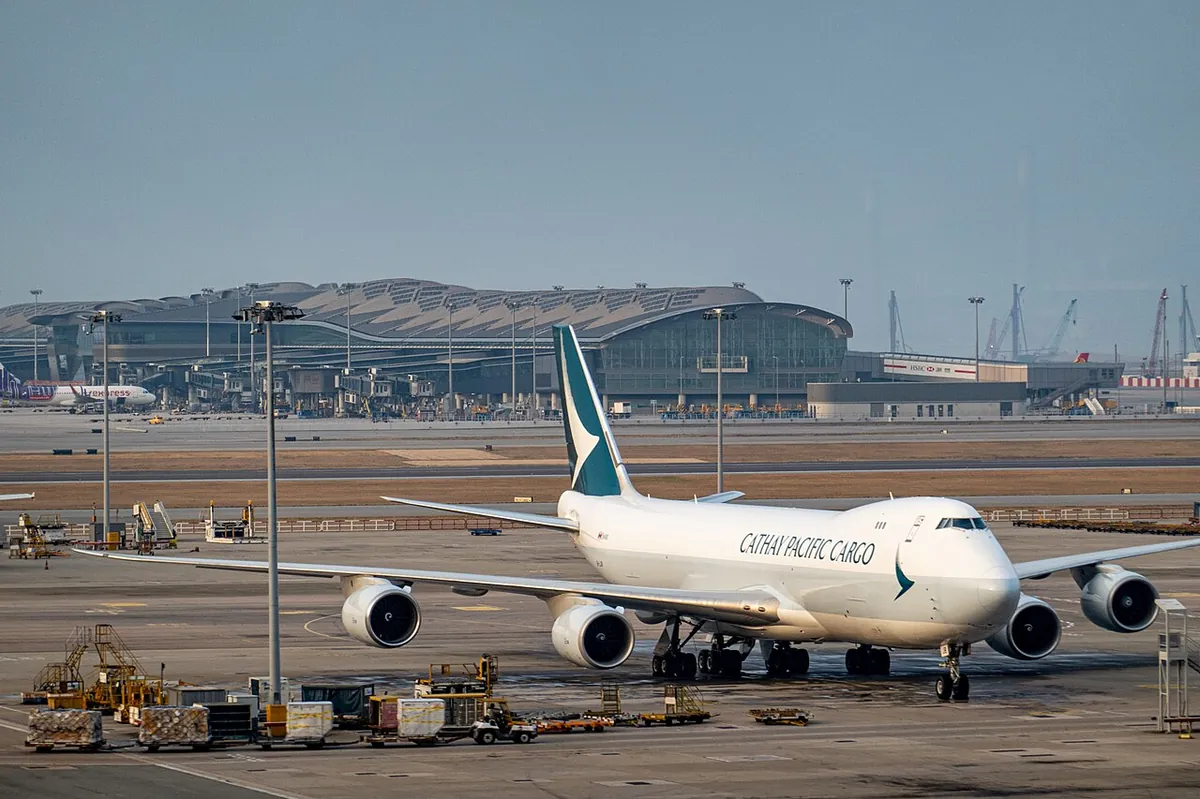
A worked example of how a quote is built
To make this concrete, imagine a small order of goods weighing 25 kilograms in total, going door to door. The quote is not a single line — it accumulates. The figures below are illustrative ranges to show the structure, not a price promise; your actual numbers depend on destination, carrier, season, and the exact goods.
| Component | What it represents in this example |
|---|---|
| Base freight | The core charge for moving 25 kg by the chosen method |
| Fuel / security surcharge | A percentage added to the base, set by the carrier |
| Pickup and export handling | Collecting the goods and preparing export paperwork |
| Destination clearance and duty | Clearing entry and paying duty and tax, if DDP |
| Last-mile delivery | Final delivery to your door or warehouse |
The point is not the numbers, but the shape: every line is a real service someone has to perform. When an agent gives you a single round number, ask them to break it down the same way. If they cannot, you cannot tell whether the price is actually lower or just less complete.
Agent quote versus booking a carrier yourself
It is tempting to assume that cutting out the middleman is always cheaper. For a single, simple parcel that can sometimes be true. For a multi-supplier order it rarely is, because an agent aggregates volume across many clients and many orders, which buys a rate you cannot get as a one-off shipper. The agent also handles the export paperwork, coordinates pickup from suppliers that may not export regularly, and catches packing mistakes before they turn into surcharges at the destination.
What you are really choosing is not “agent versus carrier” but “one coordinated shipment versus several uncoordinated ones”. The value shows up most clearly when you consolidate — our guide to courier, air and sea options and the door-to-door DDP route both explain how the pieces fit together for a real order.
Mistakes that quietly inflate your shipping bill
- Comparing only the headline number. Two quotes are only comparable when they cover the same incoterm, the same door-to-door scope, and the same duty treatment.
- Ignoring volumetric weight. Light, bulky packaging can double a charge. Dense, compact packing is often cheaper than decorative oversized boxes.
- Shipping each parcel separately. Repeated base charges and pickup fees add up fast across multiple suppliers.
- Paying for express on non-urgent goods. Air courier on a shipment that could wait a week by a slower lane is money left on the table.
- Not confirming who pays duty. A door-to-door price that quietly excludes duty will come back to you at the border, usually with an additional clearance fee attached.
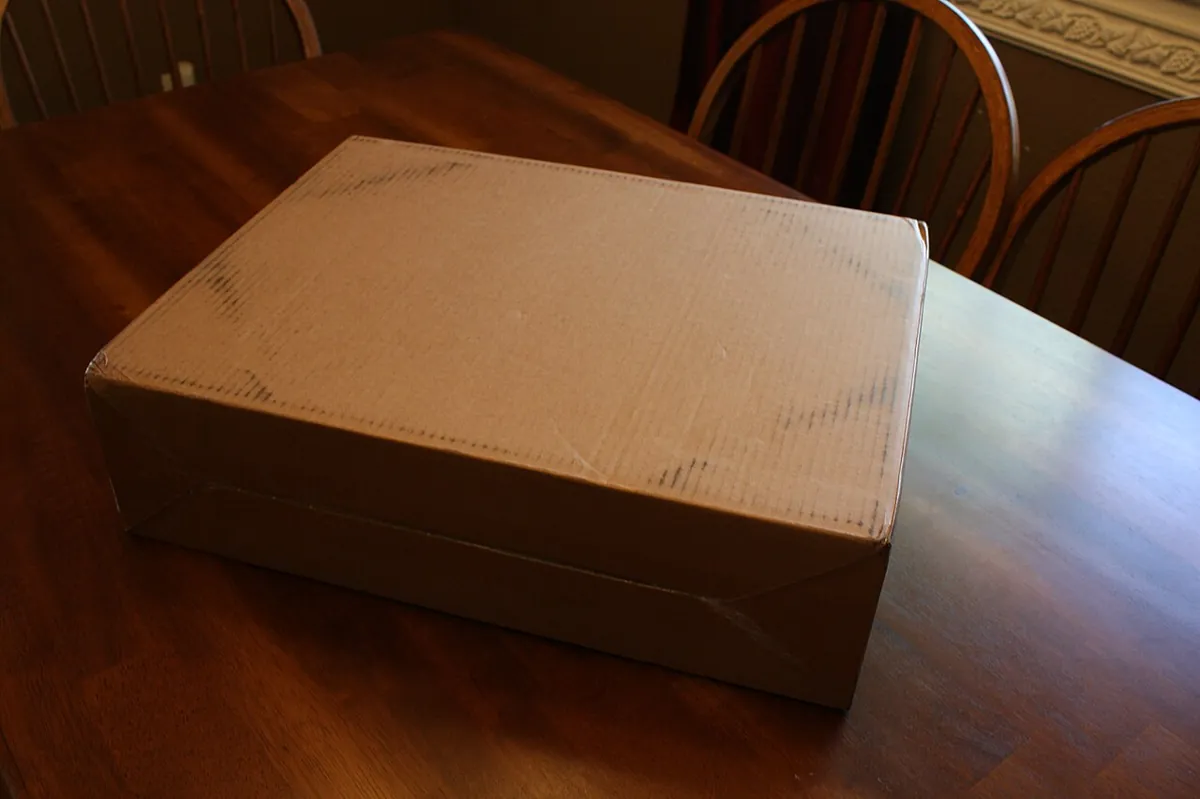
How to estimate your own shipping cost before you quote
You can rough out a number yourself before talking to any agent, and it is worth doing because it gives you a baseline to judge quotes against. You do not need a freight account to do this — just a tape measure, a scale, and a realistic idea of how fast you need the goods.
- Weigh and measure the packed goods. Get the actual weight and the box dimensions, since both feed into the charge.
- Work out the volumetric weight. Multiply length by width by height and divide by the carrier’s divisor to see whether volume or weight will be the billed figure.
- Pick a realistic method. Match the method to the size and urgency so you are not pricing sea freight for a sample or air freight for a full pallet.
- Add the layers you actually need. Fuel surcharges, pickup, clearance, duty, and last-mile delivery all sit on top of the base rate, so include the ones your incoterm covers.
This rough estimate will not match an agent’s quote to the last dollar — freight rates move constantly — but it tells you immediately whether a quote is in the right ballpark or hiding something. When your own estimate and the quote are far apart, that gap is usually an incoterm mismatch, a volumetric-weight surprise, or a missed surcharge, and now you know which question to ask.
How to get an accurate shipping cost from China
The most reliable way to get a real number is to give the agent enough detail up front: the weight and dimensions of the goods, the supplier’s location, the destination, and how quickly you need it. A vague request produces a vague, wide-ranging quote, while a specific one produces a number you can actually plan around.
cnb2bgo quotes shipping as part of the same flow it uses for sourcing and consolidation, which means the shipping cost reflects your actual consolidated order rather than a guess. You can see how the pieces fit together on our shipping from China page, compare methods in our courier, air and sea comparison, or check the door-to-door option in our guide to DDP shipping from China. When you are ready to put a real order against a real quote, reach out through our contact page and we will walk you through the numbers for your specific goods.
Frequently asked questions
How is shipping cost from China calculated?
It is calculated by adding several charges together: freight by weight or volume, fuel and security surcharges, pickup and handling at both ends, and customs clearance and duty where they apply. Because weight, volume, and destination all change the total, most agents quote per shipment rather than per unit.
What is the cheapest way to ship from China?
Sea freight is usually the cheapest per kilogram for heavy or bulky orders, while courier express is cheaper for very small parcels. The cheapest option for you depends on weight, volume, urgency, and destination — there is no single cheapest method for every order.
Why do two quotes for the same goods come out different?
Quotes differ because of volumetric weight, the incoterm chosen (EXW, FOB, DDP and so on), fuel surcharges, the specific courier or carrier used, and whether the price includes customs clearance and last-mile delivery. A lower headline rate can hide extra charges that appear later.
Does the shipping cost include customs duties?
Not always. A DDP quote includes duty and tax paid to the destination country, while many other quotes stop at the port or door without duty. Always confirm whether duty and tax are included, and remember that destination-country compliance is the buyer’s responsibility.
How does consolidation lower the shipping cost?
Consolidation combines parcels from several suppliers into one shipment, so you pay one base charge instead of many, and your combined weight often moves you into a cheaper per-kilo rate. It is most effective when you have multiple small orders arriving around the same time.
Get a shipping cost that reflects your real order
Stop comparing half-built numbers. Tell us your goods, your destination, and your timeline, and we will quote the full door-to-door cost — or the port-to-port cost, if that is what you prefer — with every charge on the table. Request a shipping quote or review your options on our shipping page first.
Related guides
Related reading: shipping from China and more sourcing guides.