
Multi-Supplier Consolidation: One Warehouse, One Shipment
What multi-supplier consolidation actually means
Multi-supplier consolidation is a simple idea with a big payoff: instead of letting each of your suppliers ship its goods to you separately, you have all of them deliver to one warehouse first. The warehouse checks, re-packs, and combines everything into a single shipment, and that one shipment travels to you.
The result is fewer parcels in the air or on the water, fewer base charges, fewer pickup fees, and usually a lower per-kilogram rate because your combined order now has real volume. If you buy from several different factories or 1688 sellers, this is one of the most direct ways to cut your total landed cost without changing what you buy.
Why separate shipments cost more
Every parcel you ship carries its own fixed costs, and those fixed costs do not scale down just because the parcel is small. A single small box still needs a pickup, an export declaration, a base freight charge, and a last-mile delivery. Multiply that across five suppliers and you have paid five times for services that could have happened once.
There is also the rate itself. Carriers price small shipments at a higher per-kilogram rate because small parcels are less efficient to handle. When your goods are consolidated, the combined weight usually crosses into a lower per-kilogram bracket, so you save on the rate and on the repeated fees at the same time. Our guide to the components of a shipping cost explains exactly where those repeated charges come from.
How multi-supplier consolidation works, step by step
The flow is straightforward once you see it laid out, and it mirrors what a buying agent does behind the scenes on every multi-order job.
- Place your orders. You buy from several suppliers and give them all the same warehouse address for delivery.
- Suppliers ship to the warehouse. Each supplier dispatches its goods to the consolidation warehouse, usually by domestic Chinese courier or truck.
- Goods are received and logged. The warehouse records what arrived, from which supplier, and flags anything missing or damaged before it leaves China.
- Goods are re-packed. Everything is combined into one or more export boxes, packed densely to control volumetric weight.
- One shipment departs. A single shipment is dispatched by the chosen method — courier, air, or sea — and cleared as one consignment.
- Delivery to you. The consolidated shipment arrives at your door, warehouse, or fulfilment centre.
Step three is worth pausing on. Receiving and logging goods before they leave China is the moment where a wrong item, a missing quantity, or a damaged box can still be caught and fixed cheaply. Once a parcel has cleared into your country, fixing those problems is far more expensive.
A realistic timeline for consolidation
Consolidation is not instant. It adds a coordination window on top of your normal shipping time, and it helps to know roughly what that looks like before you commit to it.
| Stage | What happens | Typical duration |
|---|---|---|
| Supplier dispatch | Each supplier ships to the warehouse | A few days, depending on supplier location |
| Receiving window | All suppliers’ goods arrive and are logged | Depends on the slowest supplier |
| Re-packing | Goods are combined and re-packed for export | A short processing window, often a day or two |
| International transit | The consolidated shipment travels to you | Days to weeks, depending on method |
The key variable is almost always the receiving window: everything waits for the slowest supplier. That is why coordinating delivery dates up front matters more than the shipping method itself when it comes to keeping consolidation fast.
What happens at the warehouse, in more detail
The warehouse step is where consolidation earns its keep, and it is more than just putting boxes together. A proper consolidation pass does several things at once.
- Receiving and logging. Every carton is recorded against the order and the supplier, so you know exactly what arrived and what did not.
- Condition check. Obvious damage or wrong items are flagged while the goods are still in China and can be returned or re-ordered cheaply.
- Re-packing. Goods are consolidated into export cartons sized for the actual contents, which controls volumetric weight and protects fragile items.
- Labeling and paperwork. The consolidated shipment is prepared as a single consignment with one set of export documents rather than several.
This is the difference between consolidation and simply stacking boxes: one of them is a controlled process, the other is a gamble on whether everything shows up correctly.
What you need before you consolidate
Consolidation is not something you turn on at the last minute. It works best when a few things are true from the start.
- Your suppliers can all deliver to one address. Domestic delivery to the warehouse is usually cheap and simple, but confirm each supplier can ship there.
- Your orders arrive around the same time. The warehouse can only combine what it has received. If one supplier is slow, the whole shipment waits, so coordinate delivery windows.
- Your goods are compatible in one box. Fragile, heavy, and liquid items sometimes need separate handling, which can reduce the benefit.
- You have someone on the ground. A warehouse or agent that can receive, log, and re-pack goods — and communicate with suppliers in Chinese — makes the whole process much smoother.
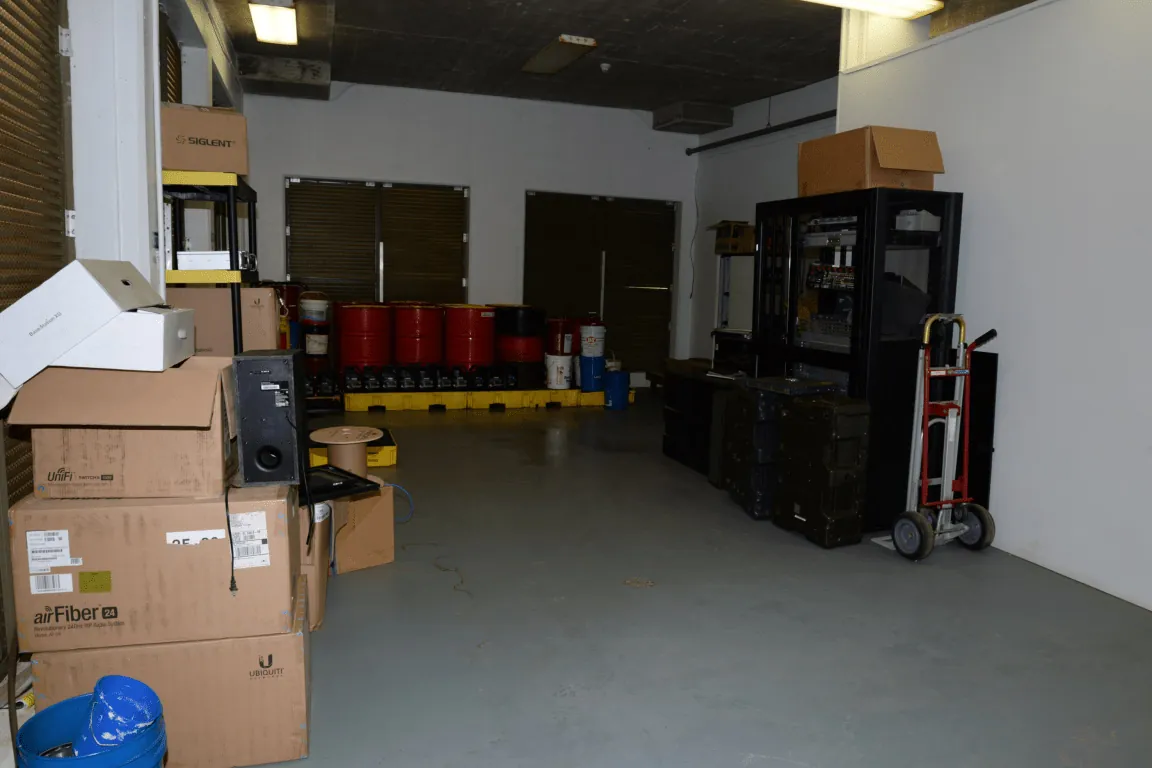
Multi-supplier consolidation versus shipping separately
| Factor | Shipping separately | Multi-supplier consolidation |
|---|---|---|
| Base charges | Paid once per supplier | Paid once for the whole shipment |
| Per-kilogram rate | Higher, sized for small parcels | Lower, sized for combined volume |
| Delivery timing | Each parcel arrives on its own schedule | Everything arrives together |
| Pre-shipment control | Limited, goods leave as shipped | Goods can be logged and re-packed before departure |
| Complexity | Simple per order, complex at scale | One extra warehousing step, simpler at scale |
The trade-off is real: consolidation adds a warehousing and re-packing step, which takes a little time and requires coordination. In exchange, it removes repeated fees and gives you a single point of control over several orders at once.
When consolidation saves you money — and when it does not
Consolidation is powerful but not automatic. It earns its keep in specific situations and adds needless friction in others.
| Consolidation clearly helps | Consolidation may not be worth it |
|---|---|
| Several small orders from different sellers | A single order from one supplier |
| Orders arriving within the same week | One urgent order mixed with non-urgent ones |
| Non-fragile, stackable goods | Goods needing special or separate handling |
| Repeated, regular purchasing | A one-off purchase too small to matter |
A useful rule of thumb: if you are paying three or more separate base charges for goods that could travel together, consolidation is worth pricing out. If you have one supplier and one box, you already have a consolidated shipment and there is nothing to combine.
What the consolidation service itself costs
Consolidation is not free — the warehouse charges a fee to receive, log, and re-pack your goods — and it is fair to ask whether that fee cancels out the freight savings. Usually it does not, and the reason is visible once you put the numbers side by side.
The warehouse and re-packing fee is a small, one-time cost per shipment. The freight savings come from removing several base charges and dropping to a lower per-kilogram rate, and those savings scale with the number of suppliers you are combining. With three or more suppliers, the removed base charges alone typically exceed the consolidation fee, before you even count the rate improvement on the combined volume.
The honest way to think about it is as a single question: does the fee I pay to combine my orders cost less than the charges I avoid by not shipping them separately? For most multi-supplier orders the answer is yes, which is why consolidation exists. If your order is large enough that you are already getting a good rate, or small enough that one courier parcel is already cheap, the fee may not be worth it — the tables above are the quickest way to check. Our shipping cost breakdown shows the charges on both sides of that equation so you can judge it for your own order.
Verifying goods before they are consolidated
Because consolidation pulls goods from several different suppliers, it raises a natural question: how do you know each supplier actually sent what you ordered? Logging and a condition check catch obvious problems, but some buyers want a stronger, independent check on a supplier’s goods before they are combined and shipped.
That kind of independent verification — a third-party factory inspection or pre-shipment inspection — is outside what a buying and consolidation service does, and it is handled by dedicated inspection providers rather than a sourcing agent. It is worth knowing about because it is the layer that catches quality problems consolidation itself cannot see. For everything from receiving to re-packing to a single consolidated shipment, that is where the consolidation service operates; for independent quality assurance, a specialist inspection is the right tool.
How to choose a consolidation warehouse or agent
If you are deciding who to trust with your goods, a few signals separate a real consolidation service from a box-stuffing operation.
- They log what arrives. A service that cannot tell you, per supplier, what arrived and what is missing is not actually consolidating — it is just forwarding boxes.
- They re-pack, not just stack. Re-packing for volume and protection is the point of the step. If they only tape boxes together, you are missing the savings.
- They communicate in Chinese. Domestic supplier coordination is smoother when the warehouse can call the supplier directly.
- They quote per shipment, not per supplier. The whole point is one shipment with one set of charges. If you are still paying per supplier, you have not consolidated.
The simplest test is to send a real scenario — “three suppliers, roughly these weights, shipping to this destination” — and see whether the answer you get back is one consolidated quote with a clear breakdown, or three separate parcels with three sets of fees. A service that consolidates will naturally answer in the first way.
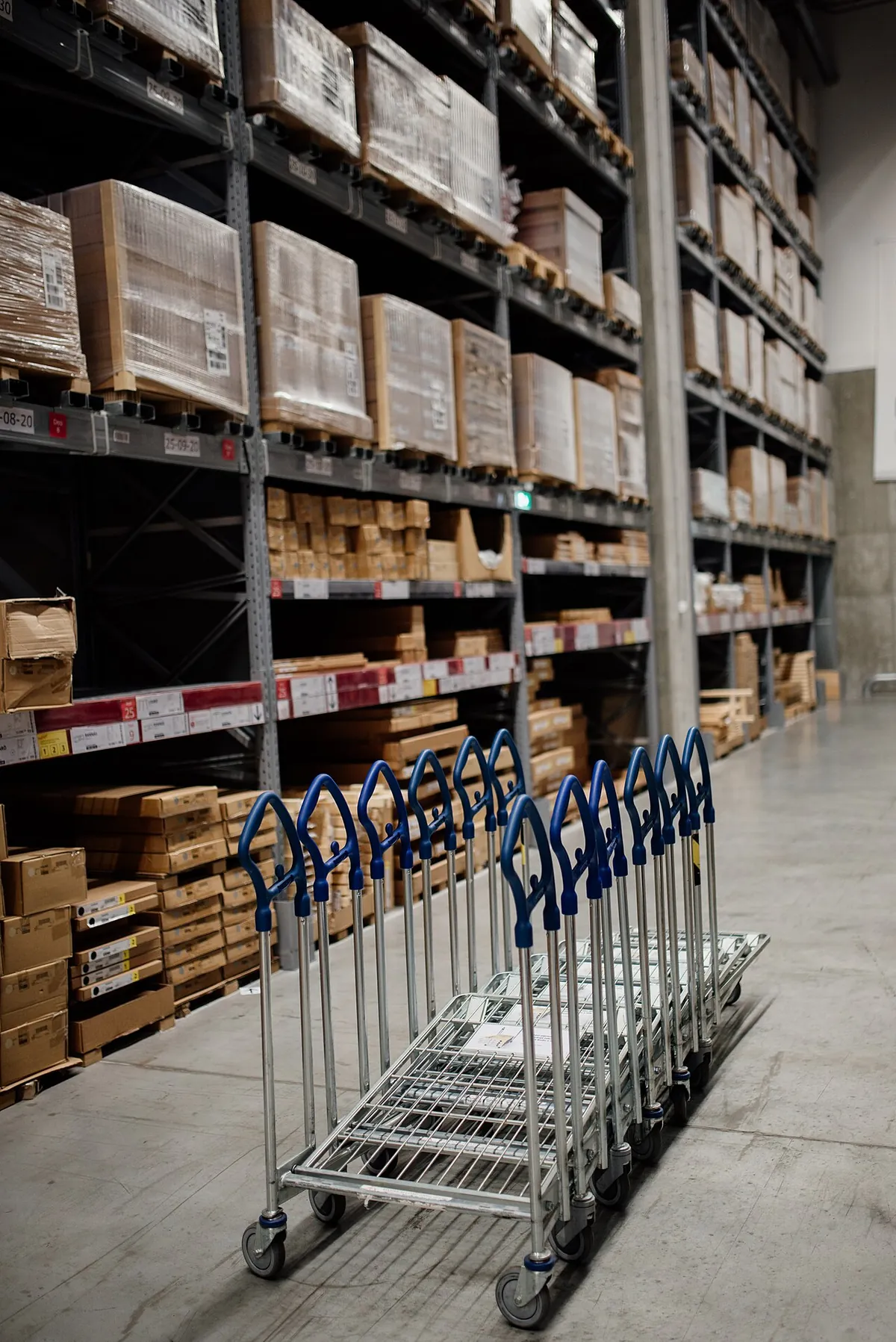
Consolidation for ecommerce and marketplace sellers
If you sell on Amazon, Shopify, or another marketplace, multi-supplier consolidation solves a specific problem you already know: restocking several SKUs at once from different suppliers. Instead of sending each supplier’s cartons to your fulfilment centre as separate inbound shipments, you consolidate them into one arrival.
- One inbound shipment. A single arrival is easier to receive and book in than several staggered deliveries, and it often costs less in freight.
- Fewer small-order surcharges. Marketplace sellers frequently reorder small quantities; consolidation groups them so they travel at a better rate.
- Cleaner stock control. Logging everything at one warehouse before departure gives you an accurate picture of what is actually on its way.
This is the same discipline we apply to marketplace sellers in our guide to 1688 buying agents for Amazon sellers and to first-time buyers in our buying agent guide for new sellers. The consolidation step sits on top of sourcing, turning several small reorders into one controlled, cost-effective shipment.
Common mistakes with multi-supplier consolidation
- Consolidating without logging goods. Combining parcels into one box without recording what is inside means one wrong item contaminates the whole shipment and is hard to trace later.
- Mixing incompatible goods. Heavy items on top of fragile ones, or liquids next to electronics, can cause damage that separate shipping would have avoided.
- Ignoring delivery windows. If suppliers deliver weeks apart, the “savings” get eaten by warehousing time while you wait for the slowest one.
- Not re-packing for volumetric weight. Consolidating into oversized, mostly-empty boxes can push the billed weight up and cancel out the savings.
- Treating it as automatic. Consolidation needs someone to actually receive, check, and re-pack the goods. Skipping that step turns it into a box-stuffing exercise.
How cnb2bgo handles multi-supplier consolidation
Because cnb2bgo is a buying agent as well as a consolidation and shipping provider, the warehouse step is not bolted on — it is the same flow used for every multi-supplier order. Goods are received from each supplier, logged, re-packed to control volume, and sent as one shipment. That single point of control also means one point of contact for the whole order, rather than chasing several suppliers and a carrier separately.
If you already consolidate on 1688 specifically, start with our 1688 consolidation guide. If your goal is simply cutting freight spend, the parcel consolidation overview and the shipping cost breakdown will help you see the numbers. For higher-volume buyers combining many SKUs across suppliers, our guide to China buying agents for importers explains how a managed approach fits a larger operation. When you are ready to consolidate a real order, reach out through our contact page or review the logistics options on the shipping page.
Frequently asked questions
What is multi-supplier consolidation?
It is the process of collecting orders from several different suppliers at one warehouse, checking and re-packing them together, and sending them out as a single shipment instead of many separate parcels.
How does multi-supplier consolidation save money?
It removes repeated base charges and pickup fees by turning many small shipments into one, and the combined weight or volume usually qualifies for a cheaper per-kilogram freight rate. The savings are largest when you have several small orders from different sellers.
When should I not consolidate?
Consolidation may not be worth it when one order is urgent and the rest are not, when the goods need different temperatures or handling, or when the combined volume is small enough that a single courier parcel is already cheap. It adds a warehousing and re-packing step, so it is not automatic.
How long does consolidation add to shipping time?
It adds the time for all suppliers to deliver to the warehouse plus a short re-packing window, typically a few days. The exact extra time depends on how far apart your suppliers ship from and how quickly they dispatch, so confirm a timeline for your specific order.
Do I need a buying agent for multi-supplier consolidation?
Not strictly, but an agent helps because they already have a warehouse, speak to each supplier in Chinese, and coordinate delivery windows so everything arrives close together. Without one, you manage each supplier and the warehouse yourself.
Can I consolidate goods from different platforms, like 1688 and Taobao, together?
Yes. Consolidation is about combining parcels at one warehouse regardless of which platform or supplier they came from, so 1688, Taobao, and direct factory orders can all be grouped into a single shipment. The warehouse simply needs each parcel to arrive with clear order information so it can be logged and re-packed correctly.
Combine your suppliers into one shipment
Multi-supplier consolidation only pays off when it is done properly — goods logged, re-packed, and shipped as a single, controlled consignment. That is exactly the service cnb2bgo provides.
To get a meaningful answer fast, have a rough list ready: how many suppliers, roughly what each is shipping, and the destination. With that, we can show you what a consolidated shipment would look like for your order. Tell us about your suppliers to start, or review the shipping page to compare your options first.
Related guides
Related reading: China consolidation service and more sourcing guides.