
Consolidation Shipping from China: Combined Freight Guide
Consolidation shipping from China is the practice of combining several smaller orders — often from different suppliers — into a single, larger shipment so you pay one freight charge instead of many. Instead of ten small parcels each carrying its own minimum-charge penalty and dead space, your goods are collected at a warehouse, repacked into one load, and shipped together. For buyers sourcing from multiple sellers on 1688 or Taobao, it’s usually the single biggest lever for cutting shipping cost. This guide explains how combined freight works, how it changes your cost, and when it’s genuinely worth the extra step.
What Consolidation Shipping Actually Is
Consolidation shipping sits on top of a simple idea: shipping costs don’t scale linearly. A carrier charges a minimum for any shipment, and a half-empty box costs nearly as much to move as a full one. When you buy from several suppliers, you’re paying that minimum over and over, plus shipping a lot of air inside half-filled cartons.
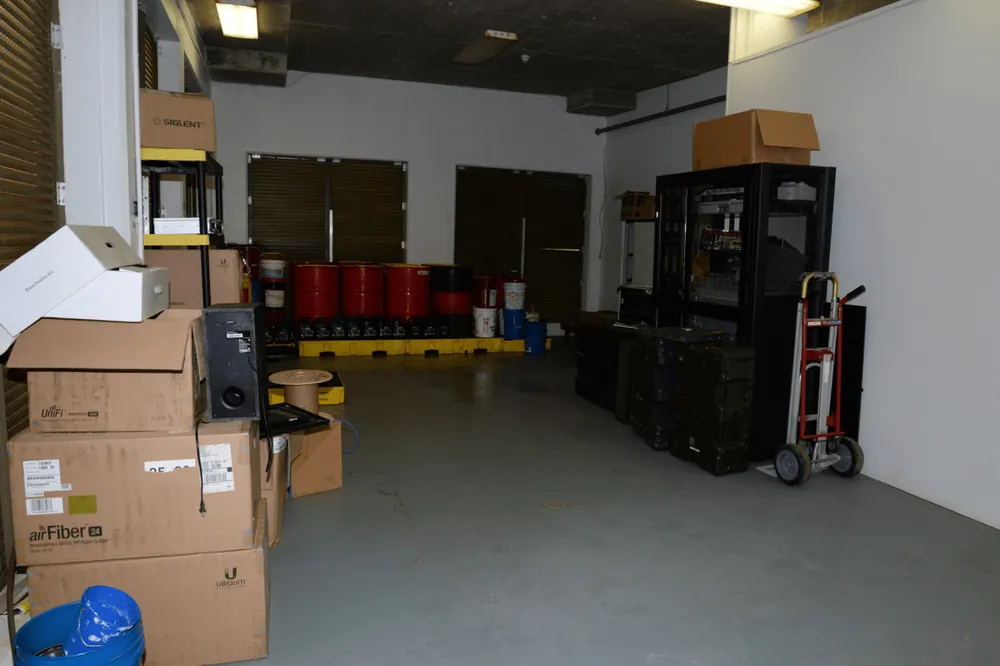
Consolidation fixes both problems. A warehouse receives your goods from each supplier, holds them until everything has arrived, then repacks the cartons tightly and ships them as one load. You end up paying for one shipment, one set of customs paperwork, and one delivery instead of a stack of them. The service is distinct from the actual transport — the consolidation happens in the warehouse, and the “shipping” is whichever carrier moves the combined load afterward.
The term overlaps with a few others, and it helps to keep them straight. “Parcel consolidation” usually means merging small courier parcels; “multi-supplier consolidation” means combining orders from several factories into one container; and “warehouse consolidation” describes the holding-and-repacking step itself. All of them describe the same core motion — many in, one out. If you’re sourcing from 1688 specifically, 1688 consolidation explained covers the platform-specific version.
How Consolidation Shipping Works, Step by Step
The process is straightforward once you’ve seen it, but it has one hard rule: the combined shipment can’t leave until the last supplier’s goods arrive. That sequencing is where most delays come from, and it’s why you order your slowest supplier first.
- Get one consolidation address. Your provider gives you a warehouse address in China. You (or your buying agent) give that same address to every supplier.
- Suppliers ship domestically. Each supplier sends your goods to the warehouse. Domestic China shipping is cheap and fast, so this step adds little cost.
- The warehouse receives and logs. Each incoming parcel is checked in against your order list, so you can see which suppliers have arrived and which are still outstanding.
- Everything is held until complete. The warehouse stores your goods — usually with a free-storage window, then a small daily or weekly fee beyond it.
- Repacking and consolidation. Once all goods are in, the warehouse repacks cartons tightly, discarding dead space and outer packaging you don’t need to ship.
- One combined shipment goes out. The repacked load is booked with a single carrier — courier, air, or sea — and clears customs as one shipment.
- One delivery, one invoice. You receive one delivery and one freight bill instead of a dozen.
Consolidation Shipping vs Direct Shipping
The choice between consolidating and shipping each order separately is really a trade between cost and simplicity. Here’s how the two compare:
| Factor | Direct shipping | Consolidation shipping |
|---|---|---|
| Freight cost | Higher — you pay a minimum charge on every parcel | Lower — one charge, and dead space is stripped out |
| Speed | Each parcel ships as soon as it’s ready | Slower — waits for the last supplier, plus repacking time |
| Customs paperwork | One declaration per parcel | One declaration for the whole load |
| Complexity | Simple — no coordination needed | You coordinate several suppliers and a warehouse |
| Best for | A single supplier, urgent orders | Multiple suppliers, cost-sensitive volume |
The short version: if you have one supplier who already ships efficiently, consolidation adds steps for little gain. If you have several suppliers or bulky, airy goods, consolidation is where the savings are. We compare the two roles of buying and freight separately in buying agent vs freight forwarder.
How Consolidation Changes Your Freight Cost
Consolidation saves money through two mechanisms, and understanding them is what lets you estimate whether the step is worth it for your order:
| Cost driver | What consolidation does | Why it saves |
|---|---|---|
| Minimum charge | Collapses many small minimums into one | You stop paying a base fee on every parcel |
| Dead space / volumetric weight | Repacks cartons tightly | Air and courier bill by volumetric weight, so less volume means lower cost |
| Per-shipment fees | One set of documentation and handling | Customs and documentation are charged once, not per parcel |
| Mode choice | Combined volume may justify sea freight | Ten small parcels can’t use sea freight economically; one combined load can |
The biggest jump comes when consolidation pushes your volume over the threshold where sea freight (or air freight on a consolidated load) becomes cheaper than express courier on many small parcels. Express courier is unbeatable for a single small box, but it gets brutal as volume grows. Once you’re consolidating, sea freight per kilogram drops dramatically, and the tradeoff becomes time versus money. We break down the full price math in how shipping cost from China is calculated.
A Worked Example: Many Parcels vs One Combined Load
Imagine you’ve ordered from six different 1688 sellers — a few cartons of electronics accessories, some textiles, and some plastic components. Shipped individually, each parcel carries its own minimum charge, its own documentation fee, and its own volumetric-weight penalty from the air inside a half-filled box. Six small parcels effectively pay six base fees and ship six boxes of air.
Consolidated, the same goods arrive at one warehouse, get repacked into tight, well-filled cartons, and go out as a single load. You pay one base fee, one set of documents, and freight on a far smaller billed volume. The direction of the saving is the point here, not a specific number — but in practice the saving scales with how many suppliers you merge and how much dead space was in the original cartons. The more “air” and the more separate minimum charges you start with, the more consolidation returns.
The same logic is why consolidation is the bridge that lets a scattered order reach sea-freight economics. A handful of individual parcels can’t use sea freight cost-effectively, but one combined, denser load can. That single switch — from six courier parcels to one LCL sea shipment — is often where the bulk of the saving lives.
Choosing a Transport Mode After Consolidation
Once your goods are combined into one load, the shipping decision is the same as any China freight decision — but the consolidation itself changes the economics, because you’re now choosing for a larger, denser shipment.
| Mode | Typical speed | Cost per kg | Best for a consolidated load |
|---|---|---|---|
| Express courier | Fastest (days) | Highest | Small, urgent consolidated parcels |
| Air freight | Fast (days to ~2 weeks) | High | Lighter, higher-value consolidated loads |
| Sea freight (LCL) | Slow (weeks) | Low | Bulky, heavy, non-urgent consolidated loads |
| Rail freight | Middle (weeks) | Middle | Consolidated loads to Europe or Central Asia |
Consolidated freight usually lands in one of two camps: small combined parcels that still go by courier or air, and larger combined loads that tip into sea freight. The point of consolidation is that it gives you the option of the cheaper sea or rail route that ten small parcels could never economically use. For the underlying comparison, see our courier, air and sea comparison.
When Consolidation Shipping Is Worth It
Consolidation isn’t free — you’re adding a warehousing and repacking step, and you’re adding time while you wait for the slowest supplier. It pays off in these situations:
- Three or more suppliers. The more separate orders you’re merging, the more minimum charges and dead space you eliminate.
- Bulky or airy goods. Items that ship in oversized, half-empty cartons — textiles, packaging, lightweight plastic parts — benefit most from tight repacking.
- You want sea freight economics. When combined volume crosses into sea-freight territory, the cost-per-kilogram drop is the whole game.
- You want one customs entry. A single declaration and delivery is simpler to track and reconcile than a dozen.
It’s not worth it when you have a single, well-packed supplier shipment, or when speed matters more than cost and you can’t wait for the last parcel. The timing rule is the one most buyers learn the hard way: a slow supplier adds days or weeks to the whole load, so order your slowest supplier first. We cover the holding-and-timing economics in when warehouse consolidation saves you money.
What You Need to Provide for Consolidation
Consolidation runs smoothly when the warehouse knows what’s coming and what to do with it. A little preparation up front saves a lot of back-and-forth once parcels start arriving. Have these ready before your suppliers ship:
- The full supplier list. Every supplier, the tracking number or waybill for each shipment, and a short description of what each carton contains.
- Package counts and dimensions. The number of cartons per supplier and their rough size and weight, so the warehouse can plan storage and spot anything missing.
- The consolidation address, given identically. Paste the exact same warehouse address and any customer code to every supplier — a typo here is how parcels get lost in a domestic network.
- Special handling notes. Fragile items, batteries, liquids, or oversized pieces that need different storage or repacking treatment.
- Your shipping preference. Whether you want the combined load to go by courier, air, sea, or rail, and your deadline, so the provider knows whether to hold for a cheaper mode or rush.
- The destination and incoterm. The delivery country and whether you want DAP or DDP, so duties are handled the way you expect.
The single most useful item on that list is the supplier and tracking detail. When the warehouse can match every incoming parcel to your order list, a missing or delayed supplier shows up immediately — and you can chase it while there’s still time, instead of discovering the gap when you expected the load to be ready.

Consolidation Shipping and Customs
One of the quieter benefits of consolidation is that customs becomes a single transaction instead of many. Rather than clearing several parcels, each with its own invoice and declaration, your combined load clears as one shipment with one consolidated commercial invoice and packing list.
That simplicity is worth more than convenience. Fewer declarations means fewer chances for a document mismatch to hold a shipment, and one consolidated invoice is far easier to reconcile against your actual order. But it doesn’t change the fundamentals of importing: you’re still the importer of record, and the import duties, product standards, labeling, and certification requirements in your destination country remain your responsibility. Consolidation reduces paperwork friction; it doesn’t transfer compliance risk.
If you want duties prepaid so the load arrives with nothing owed at the door, confirm a DDP incoterm when you book the consolidated shipment — under DAP you’ll still pay duties at the destination. We explain the duty-inclusive model in DDP shipping from China.
How to Pick a Consolidation Provider
The warehouse is the hinge the whole consolidation process swings on, so choosing it well matters more than most buyers expect. A few specific things to check before you commit:
- Warehouse location. A warehouse near a major port or near your suppliers’ industrial cluster keeps domestic trucking short and cheap, and shortens the handoff to export.
- Free-storage window. Most providers offer a free holding period, then a daily or weekly fee. Know the length — a slow supplier can quietly turn “free storage” into a running cost if the window is short.
- Transparent pricing. You should see the receiving, repacking, storage, and freight charges as separate, stated line items, not one opaque “handling fee.” An itemized quote is how you spot a padded one.
- Inbound tracking. The warehouse should log every parcel as it arrives and show you which suppliers have landed and which are still out, so a missing shipment surfaces immediately.
- Freight handoff under one roof. The cleanest setup is a provider that does the consolidation and the shipping, so there’s no gap between the warehouse and the carrier where responsibility blurs.
The last point is the one that eliminates the most headaches. When the warehouse and the freight are two separate vendors, a damaged repack or a lost carton becomes an argument about whose fault it was. When one provider owns both, there’s a single point of contact for the whole move. We cover what a full consolidation service includes in what’s included in a consolidation service from China.
Common Mistakes That Eat the Savings
- Not ordering the slowest supplier first. Your consolidated load can’t leave until everything arrives — a late supplier delays the entire shipment.
- Ignoring the free-storage window. Storage is usually free for a limited period, then billed. Know the window and don’t let a partial order sit.
- Consolidating a single efficient shipment. If one supplier already ships a full, tight carton, you’re paying warehouse handling for no volume saving.
- Not confirming the incoterm. “Consolidated door-to-door” still needs a clear DAP or DDP term so you know who pays duty.
- Forgetting destination compliance. Import duties, labeling, and safety standards in your country remain your responsibility regardless of how the load is consolidated.
- Treating consolidation as quality control. A warehouse confirms packages arrived and repacks them; it does not inspect product quality. That’s a separate third-party step.
FAQ
What is consolidation shipping from China?
It’s combining multiple smaller orders — often from different suppliers — into one larger shipment at a warehouse, so you pay one freight charge, one customs entry, and one delivery instead of many. The warehouse receives, stores, and repacks the goods before a single carrier moves the combined load.
How do I combine multiple 1688 orders into one shipment?
Give every 1688 seller the same consolidation warehouse address, have them ship there, and let the warehouse hold everything until your full order arrives. The warehouse then repacks and sends one combined shipment. The key is ordering your slowest supplier first so you don’t wait on the last parcel.
Does consolidation shipping save money?
Usually yes, when you’re merging several suppliers or bulky, airy goods. It removes the minimum-charge penalty you’d pay on many small parcels and strips out dead space, cutting the billed volume. It saves little when you have a single supplier that already ships a tight carton.
How long does consolidation shipping add to my order?
It depends on your suppliers’ spread. The combined load can’t leave until the last parcel arrives, so a slow supplier adds days or weeks, plus repacking time. Order the slowest supplier first and confirm the provider’s free-storage window to keep the delay small.
Will consolidation check my product quality?
No. A consolidation warehouse confirms packages arrived and repacks them; it does not inspect quality or spec. If you need an independent check before goods leave China, arrange a separate third-party pre-shipment inspection.
Consolidate Your Next Shipment
If you’re buying from several suppliers and tired of paying a minimum charge on every parcel — or you want to know whether your volume is enough to tip into cheaper sea or air freight — send us your supplier list and order details, and we’ll confirm whether consolidation is worth it for your load and quote the combined freight. Get a consolidation and shipping quote or contact us.