
Consolidation Service from China: What’s Included & How It Works
A consolidation service from China is a warehouse-and-shipping operation that receives goods from several different suppliers, holds them, repacks them into one shipment, and sends them out together. Instead of paying for five separate parcels from five different sellers, you pay for one combined shipment. For anyone buying from multiple 1688 or Taobao sellers — or from a mix of factories that each want to ship separately — consolidation is the single biggest lever you have for cutting freight cost and keeping your order organized. This guide explains exactly what the service includes, what it costs, and when it’s worth it.
What a Consolidation Service from China Actually Does
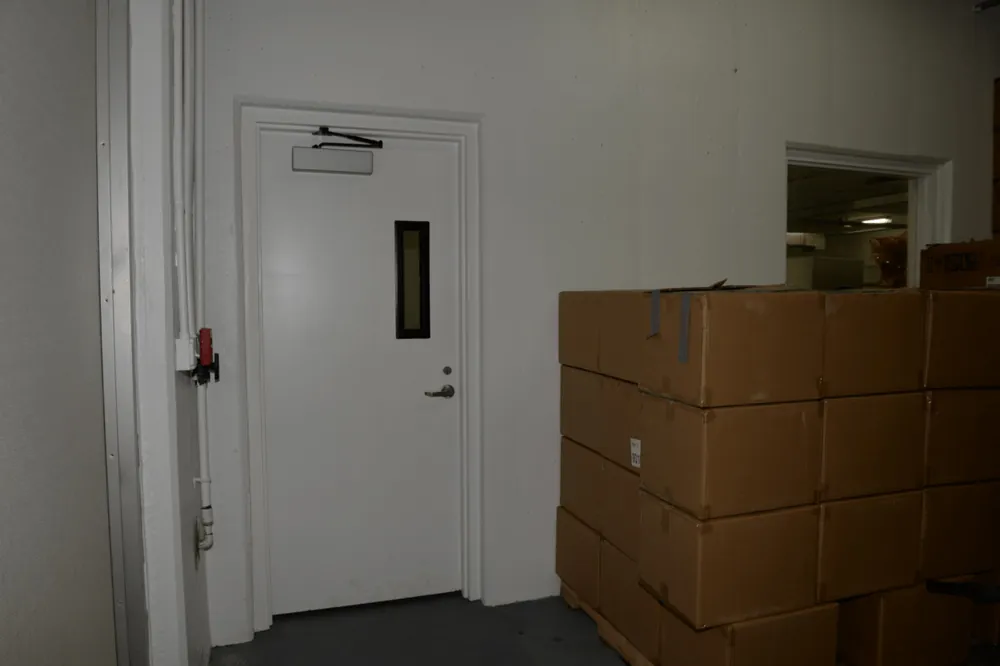
At its simplest, a consolidation service is a warehouse plus a process. Your suppliers ship their goods to one China address. The warehouse team checks the packages in, records what arrived, stores it, and waits until everything for your order is there. Then they repack — merging small boxes into fewer, larger cartons or a pallet, stripping out excess packaging and dead space — and arrange a single shipment to your door. It sounds basic, but the savings come from that repacking step and from paying one freight charge instead of many.
The process breaks into five clear stages:
- Receive. Each supplier ships to your assigned consolidation address. The warehouse logs the tracking number, weight, and dimensions of every incoming parcel.
- Check and notify. The team confirms each package arrived and flags anything damaged or short-shipped, usually with photos so you can chase the supplier immediately.
- Store. Goods sit in the warehouse until all parts of your order are present. Free storage windows vary — typically a set number of days before daily storage fees start.
- Consolidate and repack. Boxes are merged, excess packaging removed, and items repacked to minimize volume. This is where most of the shipping savings come from.
- Ship. The combined shipment goes out by sea, air, rail, or courier to your destination, with one set of documents and one tracking reference.
What’s Included in a Consolidation Service
Not every “consolidation” service includes the same things, and the differences matter when you’re comparing quotes. A bare-bones service receives and forwards; a full service also verifies, photographs, repacks, and reports. Here’s what you should expect from a competent provider:
| Service item | What it means for you | Usually included? |
|---|---|---|
| Dedicated China address | One address to give every supplier | Yes |
| Inbound logging | Tracking number, weight, dimensions recorded per parcel | Yes |
| Arrival photos | Visual confirmation each package arrived intact | Often (full service) |
| Short-ship / damage flagging | Early warning to dispute a bad supplier before it’s too late | Often (full service) |
| Free storage window | A set number of days before daily fees begin | Yes, duration varies |
| Repacking / carton merging | Combining boxes and removing dead space to cut volume | Yes |
| Volumetric optimization | Rearranging to hit the most cost-efficient box or pallet | Yes |
| Consolidated shipment | One freight booking instead of many | Yes |
| Quality inspection | Checking product quality before shipping | No — separate service |
The last row is worth calling out, because it’s the most common misconception. A consolidation service confirms your packages arrived; it does not confirm your products are good. If you need someone to check stitching, function, or spec against your order before it ships, that’s a third-party inspection, and it’s a different service you arrange separately. We’ll come back to this boundary later, because confusing the two is how buyers end up with a neatly consolidated shipment of defective goods.
How Consolidation Pricing Works
Consolidation pricing has three layers: the storage, the repacking labor, and the freight itself. The freight is almost always the biggest line item, but the storage and handling fees are where surprises hide, so ask about all three before you commit.
| Cost layer | How it’s typically charged | What drives it up |
|---|---|---|
| Receiving / handling | Flat per parcel or per pallet | Number of incoming parcels |
| Storage | Free for X days, then per day per cbm/kg | How long goods sit before everything arrives |
| Repacking labor | Flat or per carton | How much merging and repacking is needed |
| Packaging materials | Per carton / pallet | Extra boxes, tape, pallet wrap |
| Freight | Per cbm (sea) or per kg (air/courier) | Final consolidated volume or weight |
| Destination charges | Flat or per cbm/kg | Import handling and last-mile delivery |
None of these numbers are fixed — they move with volume, season, and destination. The point is to understand the structure so you can read a quote and spot what’s missing. The single most important number in consolidation is the final volumetric weight or cubic-meter total, because that’s what your freight is billed on. Removing dead space is literally where the savings come from, which is why repacking quality matters more than the storage fee. For the underlying math on how that freight number is reached, see how shipping cost from China is calculated.
When Consolidation Actually Saves You Money
Consolidation isn’t free, so it only pays off when the freight savings and the hassle reduction outweigh the storage and handling fees. It’s a clear win in these cases:
- Multiple small orders from different sellers. Three separate 5 kg parcels each incur a courier’s minimum charge and three sets of paperwork. One 15 kg consolidated box costs far less than three minimum-charge shipments.
- Light, bulky goods. Couriers bill by volumetric weight, and individual boxes are full of air. Repacking into one tight carton cuts the billed volume dramatically.
- Sea freight with a modest total volume. If you don’t have enough for a full container but have more than one parcel, consolidating into LCL sea freight is usually the cheapest per-kg route.
- You want one shipment to manage. One tracking number, one customs entry, one delivery is worth real time even before the freight savings are counted.
On the flip side, consolidation adds little value when you’re buying from a single supplier who already ships efficiently, or when your order is one dense, heavy box that already fills a carton efficiently. In those cases you’re paying storage and handling for no volume reduction. We walk through the single-supplier math in when China warehouse consolidation saves you money.
Consolidation vs Shipping Direct
The clearest way to see whether consolidation helps is to compare it against the default — each supplier shipping straight to you.
| Ship each supplier direct | Consolidate into one shipment | |
|---|---|---|
| Freight cost | Multiple minimum charges; air in every box | One charge; dead space removed |
| Paperwork | One set per shipment | One set total |
| Customs | Multiple entries | One entry |
| Tracking | Several references to follow | One reference |
| Added cost | None extra | Storage + handling fees |
| Timing | Each parcel ships as soon as ready | Waits until all goods arrive |
The trade-off is time versus money. Direct shipping starts moving each parcel immediately, while consolidation waits for the last supplier to arrive before anything ships. If one supplier is slow, your whole order waits. That’s why the free-storage window and the supplier lead time matter: you want a consolidation partner with a reasonable free window, and you want to order from your slowest supplier first.
How to Choose a Consolidation Service
When you’re comparing consolidation providers, these are the questions that separate a real service from a warehouse that just forwards boxes:
- What’s the free storage window? Longer is better when suppliers have unpredictable lead times. Confirm the daily rate after the window closes.
- Do they photograph and flag damage on arrival? This is the difference between catching a bad supplier early and discovering the problem after the goods ship.
- How do they repack, and can you approve it? You want someone who removes dead space without crushing your goods. Some services let you review a repacking plan before it’s finalized.
- Are their quotes itemized and all-in? Receiving, storage, repacking, freight, and destination charges should each be visible.
- Can they handle your goods type? Fragile items, electronics, liquids, and oversized items all have different handling needs. Confirm they’ve moved your category before.
- Who owns the shipment end to end? A provider that also books the freight — rather than handing off to a third party — gives you one accountable point.
The cleanest setup is a partner that already handles your sourcing, so the same team receives, consolidates, and ships. When buying and shipping are under one roof, there’s no warehouse blaming the forwarder and no forwarder blaming the warehouse. If you’re sourcing from 1688 specifically, 1688 consolidation explains how the pieces fit together from the buying side.
Consolidation for Different Buyer Types
The same consolidation service looks different depending on what you’re buying and where it’s going. Here’s how the three most common buyer profiles use it.
Amazon FBA sellers
FBA sellers often source from several 1688 suppliers in small quantities and need everything to arrive at one Amazon fulfillment center as a single, correctly labeled shipment. Consolidation handles the multi-supplier merge, and a provider that understands FBA requirements can prep cartons with the right labels and dimensions so the shipment isn’t rejected at the warehouse. The trap to watch is carton weight and dimension limits — repacking has to respect Amazon’s rules, not just minimize volume.
Ecommerce and DTC brands
A DTC brand testing a product usually orders small runs from multiple suppliers before committing. Consolidation lets them combine those trial orders into one affordable shipment instead of eating courier minimum charges on every sample batch. The arrival photos and short-ship flagging matter more here, because early-stage brands can’t afford to discover a missing order after the sea freight has already sailed.
Small and first-time importers
First-time importers benefit most from the one-shipment simplicity — one customs entry, one tracking number, one delivery. The consolidation service effectively becomes their logistics department until volume justifies a dedicated forwarder. For this group the free-storage window is the detail that matters, because a first order almost always has one supplier running late. We cover the first-order process end to end in buying from China for ecommerce.
Managing the Consolidation Timeline
Consolidation trades speed for savings, and the way to keep that trade favorable is to control the timeline deliberately. The whole order ships only when the last supplier’s goods arrive, so a single slow supplier holds up everything. Two habits make this manageable:
- Order from your slowest supplier first. Get the long-lead items moving immediately, then place the fast-fulfilling orders. That way everything converges on the warehouse around the same time instead of the fast items sitting in storage accruing fees.
- Confirm the free-storage window up front. Know exactly how many days you get free and what the daily rate is after. If a supplier is going to run past the window, you can decide whether the storage fee is worth it or whether you should split the shipment and let the ready goods ship first.
Also confirm how the provider handles a partial shipment. Some will let you ship what’s arrived and consolidate the rest later; others make you wait. Having the option to release early can save you from a full-order delay when one supplier stalls. The timing cost is the main reason consolidation isn’t automatically the right call — it’s a tool you reach for when multiple suppliers and modest volumes make the freight math work in your favor.
The Inspection Boundary You Shouldn’t Overlook
We mentioned it once and we’ll say it again because it’s the most expensive misunderstanding in consolidation: a consolidation warehouse is not a quality inspector. The team will tell you a box arrived, whether it looks damaged, and how much it weighs. They will not tell you whether the products inside are the right spec, the right color, or built to the standard you paid for. If you’re buying sight-unseen from suppliers you’ve never used, arrange an independent third-party inspection before your goods are consolidated and shipped. Once a defective shipment is merged into a single consolidated crate and loaded onto a vessel, the cost of finding the problem is far higher than catching it in the warehouse. Inspect first, then consolidate — not the other way around.
Common Consolidation Mistakes
- Confusing arrival with quality. A photo of a box on a warehouse shelf tells you the box arrived; it tells you nothing about what’s inside. Inspect before consolidating if the goods matter.
- Ignoring the free-storage window. Buyers order from all suppliers at once, the slowest one runs a week late, and the storage fees quietly eat the freight savings. Order slow suppliers first and know the daily rate.
- Not checking repacking rules for your destination. Amazon FBA and some couriers have carton weight and dimension limits. A tightly repacked carton that violates those limits gets rejected at the destination warehouse.
- Comparing only the storage fee. A cheap storage rate with sloppy repacking costs more in freight than a slightly higher fee with tight repacking. The repacking quality is where the money is.
- Letting one slow supplier stall the whole order. If you don’t have the option to release ready goods early, one delayed parcel can hold your entire shipment in limbo.
FAQ
What is a consolidation service from China?
It’s a warehouse-and-shipping operation that receives goods from multiple suppliers, stores them, repacks them into one combined shipment, and ships them out together — so you pay one freight charge instead of many.
How does consolidation save money?
It removes the minimum-charge penalty you’d pay on several small parcels and strips out the dead space in each box, cutting the billed volume or weight. The savings come from the repacking step and from paying one shipment instead of many.
How do I combine multiple 1688 orders into one shipment?
Give every seller one consolidation address, have them ship there, and let the warehouse hold everything until your full order arrives. Then the warehouse repacks and sends one combined shipment. We detail the exact steps in multi-supplier consolidation.
Is consolidation worth it for a single supplier?
Usually not. If one supplier already ships efficiently in a well-filled carton, there’s no dead space to remove, so you’d be paying storage and handling for no volume saving. Consolidation pays off when you’re combining multiple sellers or bulky, airy goods.
Does a consolidation service check product quality?
No. A consolidation service confirms packages arrived and repacks them; it does not inspect product quality or spec. If you need quality verification before shipping, that’s a separate third-party inspection you arrange independently.
How long does consolidation add to my shipping time?
It depends on how spread out your suppliers are. The consolidated shipment can’t leave until the last parcel arrives, so a slow supplier adds days or weeks. Order your slowest supplier first and confirm the provider’s free-storage window so you can manage the delay instead of paying for it.
Consolidate Your Next Order
If you’re buying from several suppliers and want one combined shipment — with arrival photos, damage flagging, tight repacking, and the freight booked end to end by one team — send us your supplier list and order details. We’ll give you one itemized quote for the whole consolidation. Get a consolidation quote or contact us.