
China Shipping Agent: What They Do, Fees and How to Choose
A China shipping agent is a licensed freight partner that books cargo, handles customs paperwork, and moves your goods from a Chinese factory or warehouse to your door abroad. If you buy from 1688, Taobao, or a China supplier and don’t have your own logistics setup, a shipping agent is the piece that turns “goods sitting in a Shenzhen warehouse” into “goods cleared and delivered in your country.” This guide covers what a shipping agent actually does, how they charge, how to pick a reliable one, and where a shipping agent stops being useful.
What a China Shipping Agent Actually Does
Most people blur “shipping agent” and “freight forwarder” into one thing. In day-to-day China trade they’re close enough to treat as the same job, with one difference worth keeping straight: a shipping agent traditionally books space on vessels and aircraft, while a freight forwarder bundles that booking with consolidation, warehousing, and end-to-end coordination. For a buyer who just wants goods moved, the practical question is the same — who moves it, who handles the paperwork, and who owns the problem when something goes wrong.
A competent China shipping agent typically covers these jobs:
- Booking freight on sea (FCL or LCL), air, rail, or express courier, depending on volume and deadline.
- Preparing export documentation — commercial invoice, packing list, bill of lading or air waybill.
- Arranging customs clearance on both the China export side and the destination import side.
- Organizing domestic pickup from the supplier’s factory or warehouse to the port or airport.
- Consolidating multiple smaller orders into one shipment when the volume doesn’t justify a full container.
- Advising on incoterms (EXW, FOB, CIF, DDP) and what responsibility each one leaves with you.
None of this is magic, and none of it is free. The value of a shipping agent is that they already know the port procedures, the document formats, and the carrier options, so you aren’t learning them on a live shipment that can sit in customs for a week while you fix a paperwork error.
When You Actually Need a Shipping Agent
Not every order justifies a shipping agent. A single box under about 30 kg can often go straight through DHL, FedEx, or UPS, and the courier handles most of the paperwork for you. An agent starts to earn its keep in these situations:
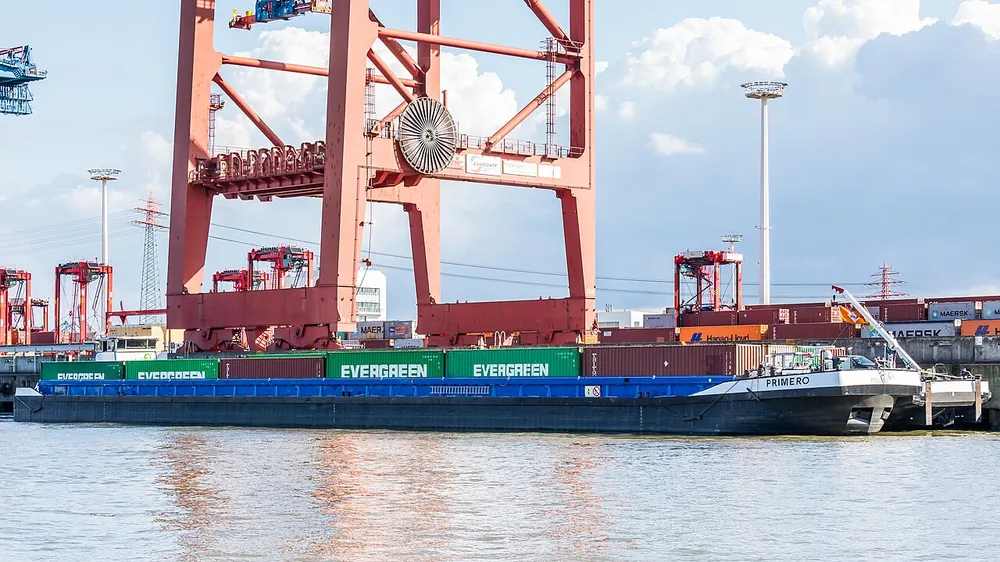
- Sea freight volume. Once you’re moving a few cubic meters or more, air freight and courier rates get brutal. Sea freight is far cheaper per kilogram, and that’s where you need a booking agent.
- Multiple suppliers. If you’ve bought from three or four factories and want everything in one container, someone has to receive, store, and merge those shipments — a job that overlaps with consolidation.
- Heavy or awkward cargo. Machinery, furniture, large cartons, or anything that won’t fit standard courier boxes usually needs a freight forwarder who can arrange LCL or a flat rack.
- Restricted or duty-sensitive goods. Electronics with batteries, liquids, or items that need special declarations benefit from someone who knows the carrier rules.
- You want one accountable point. When a shipment goes sideways, a single agent who owns the whole move is easier to hold accountable than a supplier plus a courier pointing at each other.
For a buyer who only ever ships small parcels, a dedicated agent can be overkill — the express courier route is usually faster and simpler. The decision is mostly about volume, weight, and how many moving parts your order has. We cover the cheapest overall approach separately in our guide to the cheapest way to ship from China.
How a China Shipping Agent Charges
Shipping agent pricing is rarely a single number. It’s a stack of line items, and the frustrating part is that two agents quoting the same shipment can arrive at very different totals depending on what they bundle in and what they leave out. Ask for an itemized quote and read it line by line.
Here’s the typical fee structure you should expect to see:
| Fee component | What it covers | How it’s usually priced |
|---|---|---|
| Ocean / air freight | The actual carrier cost for the move | Per cubic meter (LCL) or per kg (air), set by carrier |
| Origin charges | Export handling, port/terminal fees in China | Flat or per shipment |
| Customs clearance | Export and/or import declarations | Flat per shipment |
| Documentation | Bill of lading, certificates, consular docs | Flat or per document |
| Domestic trucking | Pickup from factory to port/airport | Per km or per shipment |
| Destination charges | Import terminal handling, delivery to final address | Flat or per cbm/kg |
| Duty and tax (DDP only) | Import duties and VAT prepaid on your behalf | Actual duty plus a handling margin |
| Insurance | Cargo loss/damage cover | Percentage of declared value |
Rates move constantly, so treat any specific number you see online as a starting point, not a promise. Fuel surcharges, peak-season congestion, and exchange-rate shifts all move the final figure. The honest way to compare agents is to send the same shipment details — weight, volume, origin city, destination, incoterm, and goods description — to two or three agents and compare their all-in totals, not their headline freight rate. A quote that looks cheaper because it quietly omits destination charges will end up more expensive once you’re billed for the last mile.
If you want the underlying math explained, we break down every line item in how shipping cost from China is calculated.
How to Choose a China Shipping Agent
Picking a shipping agent on price alone is how buyers get burned. The cheapest quote often comes from someone who has under-scoped the job, and you find out after the goods are already moving. Run every candidate through this checklist before you commit:
- Real license and registration. In China, a legitimate freight forwarder holds an NVOCC license (for sea) or the equivalent carrier authorization. Ask for it. If they dodge the question, that’s your answer.
- Itemized, all-in quotes. A good agent shows every origin and destination charge up front. A one-line “we’ll handle everything for $X” with no breakdown is a red flag.
- Clear incoterm handling. They should be able to explain, in plain language, what FOB vs CIF vs DDP means for your specific order, and which one actually suits you.
- Tracking and a named contact. You want a real person who answers messages in your timezone, plus a tracking reference you can check yourself.
- Insurance options. Even if you decline it, an agent that never mentions insurance isn’t looking out for you.
- Reference shipments. Ask what they’ve moved that resembles your goods — same product category, same destination country. Vague answers are a warning sign.
One of the cleanest ways to reduce the risk of a bad agent is to work with a partner who already bundles sourcing, consolidation, and shipping under one roof. That’s the model we run at cnb2bgo — when one team handles the buying and the freight, there’s nobody left to blame-shift to. If you’d rather compare the two roles head-to-head first, see buying agent vs freight forwarder.
How Working with a Shipping Agent Goes, Step by Step
If you’ve never run an international shipment, the process looks intimidating from the outside. In practice it’s a fixed sequence, and a good agent walks you through each stage. Here’s the normal flow once you’ve chosen an agent:
- Request a quote. You send the goods description, weight, volume, origin city, destination, and desired incoterm. The agent returns an itemized, all-in quote.
- Confirm and book. You approve the quote, and the agent books space with the carrier and reserves a sailing or flight.
- Goods are picked up. The agent arranges domestic trucking from the supplier’s factory or warehouse to the port or airport, or receives the goods at their own warehouse.
- Export clearance. The agent files the export declaration on the China side and prepares the bill of lading or air waybill.
- Main transit. Goods move by sea, air, rail, or courier. You get a tracking reference and a named contact for updates.
- Import clearance. At destination, customs clears the shipment. Under DDP the agent prepays duties; under other terms you pay directly.
- Final delivery. The shipment is delivered to your door or your designated warehouse, and you confirm receipt.
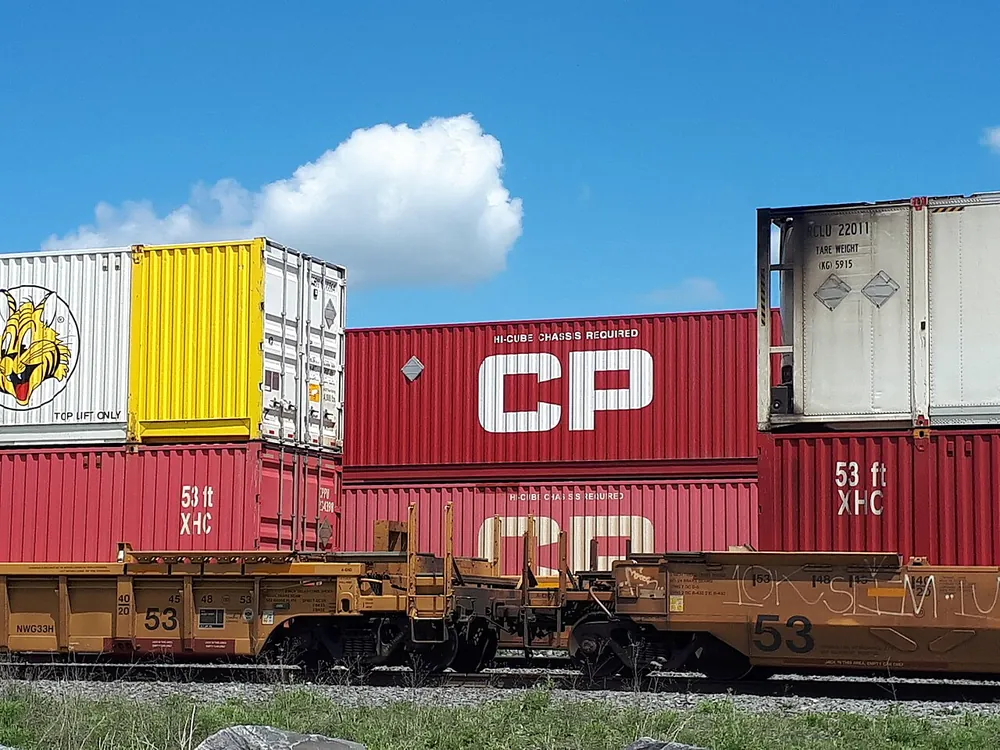
The entire chain lives or dies on documentation. A single mismatch between the commercial invoice, packing list, and bill of lading can hold a container at customs for days. That’s precisely why an experienced agent is worth more than their fee on a first shipment — they’ve already learned which document errors cause delays, so you don’t pay for them in real time.
Incoterms in Plain English
Incoterms are the three-letter codes that define who pays for what and where responsibility transfers. You’ll see them on every quote, and misunderstanding one is the fastest way to get an unexpected bill. The three you’ll most often encounter shipping from China:
| Incoterm | Who arranges and pays the main freight | Who pays import duties | Best for |
|---|---|---|---|
| EXW (Ex Works) | You, from the factory gate | You | Buyers with their own full logistics setup |
| FOB (Free On Board) | You, from the port of loading | You | Buyers who want control of the ocean leg |
| CIF (Cost, Insurance, Freight) | Seller/agent to destination port | You | Buyers who want freight bundled but handle import themselves |
| DDP (Delivered Duty Paid) | Agent, door to door | Agent (prepaid) | Buyers who want one all-in price to their door |
The shorthand: EXW gives you maximum control and maximum responsibility, DDP gives you one price and the least work, and FOB/CIF sit in between. If you’re new to importing, DDP is usually the safest starting point because there are no surprise destination charges. We go deeper on the duty-inclusive model in DDP shipping from China.
Shipping Agent vs Buying Agent vs Freight Forwarder
These three titles get used interchangeably and it causes real confusion. They overlap, but they’re not the same, and hiring the wrong one leaves a gap in your process.
| Role | Main job | Owns the buying? | Owns the freight? |
|---|---|---|---|
| Buying agent | Finds suppliers, negotiates price, places and pays for orders on your behalf | Yes | Usually no (hands off to a forwarder) |
| Shipping agent / freight forwarder | Books carriers, handles customs and documents, moves the goods | No | Yes |
| Full-service partner (e.g. cnb2bgo) | Buys, consolidates, and ships — one accountable chain | Yes | Yes |
The gap that bites buyers is the handoff. A buying agent hands goods to a freight forwarder, and when something goes wrong in transit, each points at the other. That’s the single biggest argument for using one partner who owns both halves. If you’re sourcing from 1688 specifically, start with what a 1688 buying agent does and then decide whether to keep the freight under the same roof.
Common Mistakes That Cost You Money
- Comparing headline rates instead of all-in totals. A low freight number with high destination charges is not a deal.
- Not confirming who pays destination duties. “Door to door” means different things under DAP and DDP. Get the incoterm in writing.
- Ignoring volume weight. Air freight bills by whichever is higher — actual or volumetric weight. Light, bulky goods cost far more than their physical weight suggests.
- Skipping insurance on a large order. It’s a small percentage of value and it’s the difference between a refund and a total loss.
- Not checking the goods description on documents. A vague or wrong HS-code description can trigger delays or extra duty at destination.
- Waiting until peak season. Sea freight space tightens around the year-end and before major holidays; book earlier when you can.
When a Shipping Agent Can’t Help You
A shipping agent moves your goods. What they don’t do is verify that the goods are worth moving. They won’t confirm your supplier actually exists, check the factory, or inspect the product quality before it ships. If you’ve never seen the goods and you’re buying sight-unseen, that risk sits with you — and it’s a different service entirely. For buyers who need that layer, an independent third-party inspection before the goods leave China is the standard safeguard, and it’s worth arranging before your freight is booked so the cargo doesn’t ship out with defects baked in.
The shipping agent’s job also stops at the border for compliance. Customs regulations, product safety standards, labeling, and import duties in your country are your responsibility as the importer. A good agent can advise and route paperwork, but they can’t make a non-compliant product compliant. We flag this because it’s the most common source of surprise costs on a first import.
What to Send in Your Quote Request
The fastest way to get a useful, comparable quote is to send complete details the first time. Incomplete requests force the agent to guess, and guesses turn into revised quotes and hidden charges later. Include these in every quote request:
- Goods description — what the product is, including materials and any special handling needs (fragile, liquids, batteries, oversized).
- Weight and volume — actual weight and, if you have it, the box dimensions so volumetric weight can be calculated.
- Origin — the city and whether it’s EXW (factory gate) or FOB (delivered to port).
- Destination — the country, and whether you need door delivery or just to port.
- Incoterm — the terms you want, or ask the agent to recommend one for your situation.
- Timeline — any deadline that matters, so they can tell you if sea freight will make it or if you need air.
Send the same set of details to every agent you’re comparing. Identical inputs are what make the all-in totals genuinely comparable — otherwise you’re comparing different jobs dressed up as the same one.
FAQ
Is a shipping agent the same as a freight forwarder?
In everyday use, yes — the two terms are used interchangeably. Technically a shipping agent books vessel space while a freight forwarder adds consolidation and end-to-end coordination, but for a buyer moving goods from China, the practical question (who books, who clears customs, who moves it) has the same answer.
Do I need a shipping agent to buy from 1688?
Not for small parcels. A single box under roughly 30 kg can go through an express courier with minimal paperwork. You need an agent when you move to sea freight volume, ship from multiple suppliers, or need consolidated freight and customs handling. We explain the 1688-specific options in how to ship from 1688.
How much does a China shipping agent cost?
There’s no flat rate. Freight is priced per cubic meter or per kilogram, and you add origin charges, customs, documentation, and destination charges on top. Get an itemized, all-in quote for your specific shipment — any fixed number you see online is a rough starting point, not a binding price.
What’s the cheapest way to ship from China?
For small parcels, express courier is usually cheapest and fastest. For larger volume, sea freight (LCL or FCL) wins on cost per kilogram but is slower. The best choice depends on your weight, volume, deadline, and destination — we cover the full decision in our shipping method comparison.
Who pays the import duties — me or the agent?
It depends on the incoterm. Under DDP the agent (or your full-service partner) prepays duties and delivers duty-paid. Under DAP or FOB, you pay duties to customs at the destination. Always confirm the incoterm in writing so you know exactly who owes what.
Get a Shipping Quote for Your Order
If you’re already buying from China and just need the freight sorted — or you want the buying, consolidation, and shipping handled by one team so there’s no handoff to blame-shift — tell us what you’re moving. Send your goods details, weight, volume, and destination, and we’ll come back with an itemized, all-in shipping quote. Get a shipping quote or contact us.