
China Buying Agent for Small Business: First Order Guide
A first import order is the riskiest purchase a small business makes, because every part of it is unfamiliar: the language, the payment, the minimums, and the shipping. A China buying agent for small business is the layer that removes most of that risk — it finds suppliers, negotiates a workable minimum, buys and checks your goods, and ships them to your door, so your first order is a managed process instead of a leap of faith. The value for a small business is not a bigger discount; it is that the first order arrives as expected, at a scale your cash flow can actually handle. Here is exactly what that first order involves.
Why a First China Order Feels Risky for a Small Business
Large importers have sourcing teams and enough volume to absorb a mistake. A small business does not. The specific worries are almost always the same, and they are all solvable:
- Language and distance. You are negotiating with a supplier you cannot meet, in a language you may not speak, on a platform built for a domestic market.
- Payment safety. Sending money abroad to a supplier you have never worked with feels like a gamble, and without the right flow, it is.
- Minimum order quantities. Suppliers advertise attractive prices on volumes a small business cannot justify, so the real question is what they will actually accept for a first order.
- No local address or payment method. Many 1688 sellers expect delivery to a Chinese address and domestic payment, which a small business abroad simply does not have.
A buying agent closes every one of those gaps, because it already has the language, the local payment rails, and a China warehouse address. For the general picture of what the service covers, start with our China buying agent overview; this article is about your first order specifically.
What a China Buying Agent Handles on Your First Order
On a first order, the agent is effectively your sourcing department for the duration of the transaction. The useful tasks:
- Supplier shortlisting. Turning your product idea into a shortlist of real sellers so you compare quality and price instead of picking the first listing you find.
- MOQ and price negotiation. Finding the smallest workable order and a price for it, rather than accepting the advertised volume price.
- Sample ordering. Buying one or two units so you can see and test the product before committing real money.
- Order placement and payment. Paying the supplier on your behalf and collecting the goods at the agent’s China warehouse.
- Incoming order check. Confirming what arrived matches what you ordered before it ships.
- Consolidation. Combining orders from multiple suppliers into one shipment to save on freight.
- International shipping. Arranging courier, air, or sea freight and tracking it to your door.
For a small business, the sample and the MOQ negotiation are the two that matter most. They are what convert a scary first order into a controlled one.
What a First Order Actually Involves, Step by Step
If you have never imported before, the process looks longer than it is. It breaks into clear stages, most of which the agent owns.
Step 1: Nail down the spec
You describe the product — material, dimensions, features, target price, and quantity range — and share any reference images. The clearer this is, the fewer rounds of back-and-forth and the lower your risk of receiving the wrong thing.
Step 2: Get a shortlist and quotes
The agent finds candidate suppliers and returns unit prices, minimums, and sample availability. You compare and pick. This is where a first-time buyer usually benefits most from the agent’s judgment about which sellers are real and which are resellers padding the price.
Step 3: Order samples
You buy one or two units, the agent photographs them, and they ship to you. You approve the sample or request changes. Do not skip this stage; it is cheap insurance against a bad bulk order.
Step 4: Place the bulk order
Once you approve, the agent places the main order at the agreed price and minimum, and pays the supplier using local payment. You pay the agent through a traceable channel, which is far safer than wiring money to an unknown factory.
Step 5: Receive, check, and consolidate
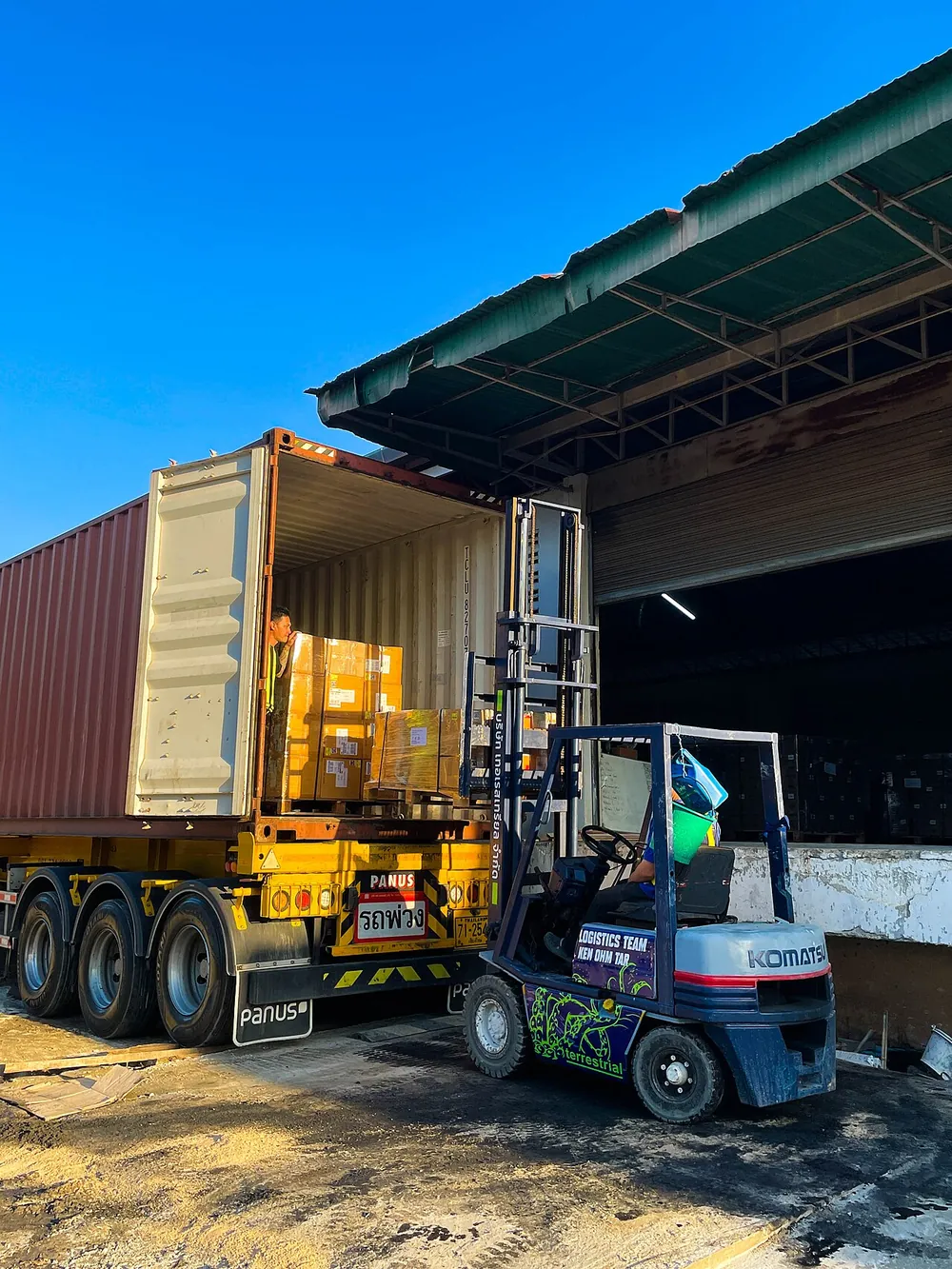
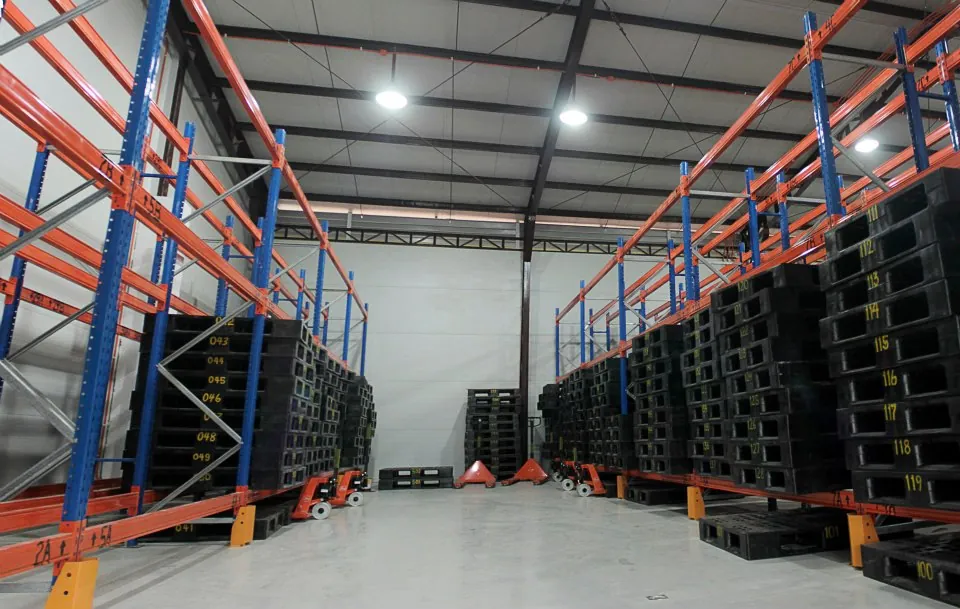
The goods land at the agent’s China warehouse, are checked against your order, and — if you ordered from more than one seller — consolidated into one shipment to cut freight.
Step 6: Ship and deliver
The consolidated order ships by courier, air, or sea, depending on weight, speed, and budget. If you want duties handled up front, you can use DDP shipping. Otherwise, destination customs and duties remain your responsibility as the buyer.
What Makes a Good First Product to Import
The product you pick for a first order matters as much as the agent you hire. A good first import is one that forgives mistakes rather than one that punishes them.
- Simple, not engineered. A single-material, single-function product is easier to spec and check than something with electronics, tight tolerances, or many components. Start simple.
- Low regulatory risk. Avoid products that touch safety, health, or children for a first order, because they carry compliance requirements that add cost and complexity before you have learned the basics.
- A proven category. A product people already buy in volume gives you a reference price and an existing standard to match, which is far easier than inventing a category.
- Not the cheapest thing in the market. Racing to the bottom on price usually means a race to the bottom on quality. Pick a product where a reasonable margin survives a small first run.
The point of a first order is to learn the process with the stakes kept low, not to launch your most ambitious product. Once the mechanics are proven, you can apply them to something harder.
First-Order Cost Structure for a Small Business
Everyone asks for a price up front, and the honest answer is that it depends on the order. What is stable is the structure — the same cost lines apply whether your first order is one carton or a small pallet.
| Cost component | What it covers | What makes it vary |
|---|---|---|
| Product cost | The unit price from the supplier. | Category, spec, quantity, and negotiation |
| Buying agent fee | The service fee for purchasing, checking, and consolidation. | Order value, complexity, and the provider’s model |
| Sample cost | The cost of one or two sample units plus their shipping. | Product value and shipping speed |
| Domestic shipping | Delivery from supplier to the agent’s China warehouse. | Distance and parcel count |
| Consolidation and repacking | Combining and repacking parcels into one shipment. | Number of suppliers and carton count |
| International freight | Courier, air, or sea freight to your destination. | Weight or volume, speed, and destination |
| Duties and taxes | Import duties and VAT at destination, if not included. | Destination country, value, and HS classification |
We will not print a fake price list, because every line moves with your specific order. The right move is to get a written quote for your product and quantity, and to hold the provider to a clear answer about which of these lines are included. For how the freight line is actually calculated, see our shipping cost from China breakdown.
Realistic Timelines for a First Order
New importers routinely underestimate how long a first order takes, because they count only the shipping days and forget the rest. A first order is a sequence with several waiting periods, and each one can stretch.
- Sample approval. The sample has to be produced or picked, then shipped to you, then reviewed. Changes loop back and add time.
- Production lead time. Some products are stocked and ship in days; made-to-order items take longer. Ask the supplier for a production estimate before you commit.
- Transit time. Courier is days, air freight is faster than sea, and sea freight is the slowest — measured in weeks depending on the route.
- Customs and last mile. Clearance and final delivery add a buffer at the destination end that no carrier can fully predict.
Treat any specific number you see as an estimate, not a guarantee, and ask your agent for a schedule for your particular order rather than a generic range. The purpose of the timeline is planning, not a promise you can hold someone to by the day.
How to Keep a First Order Small and Safe
The best way to de-risk a first order is to make it small on purpose. A few rules that protect your cash flow:
- Start with samples, not bulk. Sample first, then a modest first batch. You can always scale the reorder once demand is proven.
- Stay in one category. Resist the urge to test five different products at once. One product, done well, teaches you the process; five products at once multiplies every mistake.
- Model the full landed cost, not the unit price. Product cost plus freight plus duties is the number that matters to your margin. Model it before you commit.
- Keep a buffer in the budget. First orders run into small surprises — a repacking fee, a duty you did not expect, a slightly higher freight charge. Build in a buffer so a surprise is an inconvenience, not a crisis.
China Buying Agent vs Doing It Yourself
For a small business doing a first order, the comparison usually comes down to whether the fee is worth removing the risk and the legwork.
| Factor | Buying agent | Doing it yourself |
|---|---|---|
| Language and negotiation | Handled by the agent in Chinese | You own it, with translation tools and guesswork |
| Payment method | Agent pays suppliers domestically | You need a way to pay a Chinese supplier from abroad |
| Order checking | Incoming check before shipping | You find out what you got when it arrives |
| Consolidation | Built into the flow | You coordinate multiple sellers and parcels yourself |
| Time and attention | Mostly off your plate | Hours of coordination across time zones |
| Cost | Service fee on top of product cost | No fee, but higher risk and more of your time |
If you are considering doing the first order yourself, our sourcing agent vs buying direct guide lays out when the DIY path makes sense and when it quietly costs you more than a fee would have.
How to Vet an Agent Before You Pay
Not every “agent” is a real operator with a warehouse. Before you send money, ask the questions that separate a genuine buying agent from a thin middleman.
- Do you have a China warehouse, and what happens there? A real agent receives and checks goods at a physical warehouse. No warehouse means the agent is passing your goods and money through other companies.
- How do you pay suppliers, and how do I pay you? The payment flow should be clear and traceable, with a plain answer about what happens if a supplier fails to deliver.
- What is included in the fee? Get the fee structure in writing, including which cost lines (domestic shipping, consolidation, duties) are included and which are extra.
- Can I see a sample before bulk? If the answer is no, walk away. A sample-first policy is the single clearest sign of a responsible agent.
- Who do I talk to when something goes wrong? One named contact beats a ticket queue, and it matters most exactly when a problem appears.
Should I inspect my first order before it ships?
A buying agent does a basic incoming order check against your spec, but that is not the same as an independent quality inspection. For a first order — when you have no established supplier history to lean on — many small businesses add a separate quality inspection before the goods leave China. It is an extra cost, but on a first order it is often cheaper than discovering a problem after the shipment has cleared customs.
When a Small Business Shouldn’t Use a Buying Agent
There are cases where hiring an agent is the wrong tool, and being honest about them saves you money. If you already have a trusted supplier relationship and just need goods moved from a factory, you may only need a freight forwarder rather than the full purchasing layer. If your order is a one-off personal item, the overhead of an agent is usually not justified. And if you are sourcing a highly regulated product where compliance is the real challenge, the compliance work itself sits outside a buying agent’s scope — that is a separate set of obligations you own as the importer.
The decision, in other words, is about where your risk actually lives. If the risk is in buying the right thing at the right minimum, a buying agent is the right call. If the risk is only in moving goods you already own, a forwarder is enough. Our buying agent vs freight forwarder comparison walks through that line in detail.
Common Mistakes on a First Order
- Skipping the sample. The most expensive mistake in importing is buying bulk without seeing a sample first.
- Accepting the advertised MOQ. The listed minimum is a starting point, not a rule. Negotiate for the smallest workable order.
- Comparing only unit price. A low unit price on a high minimum, or with freight and duties excluded, is not a low total cost.
- Trusting an agent’s order check as full QC. A basic incoming check is not an independent quality inspection. For a strict quality standard, add a separate inspection layer.
- Ordering too much too fast. Scale is for reorders. The first order exists to prove the product and the process, not to fill a container.
Frequently Asked Questions
What does a China buying agent do for a small business?
It finds and negotiates with suppliers, buys and checks your goods, consolidates orders from multiple sellers, and ships them to your door — so your first order is a managed process instead of a leap of faith.
How much does a first order from China cost for a small business?
There is no flat number. The total is made up of product cost, the agent fee, sample cost, domestic shipping, consolidation, international freight, and duties. Get a written quote for your specific product and quantity, and ask which components are included.
What is the minimum order quantity for a small business in China?
The advertised MOQ is a starting point, not a rule. A buying agent negotiates for the smallest workable order, often beginning with a sample order followed by a modest first batch, so you can test demand before over-committing.
Is it safe to pay a China supplier through an agent?
Using an agent is generally safer than wiring money to an unknown factory. The agent pays the supplier domestically, and you pay the agent through a traceable channel. Ask the agent to explain the payment flow and what happens if a supplier fails to deliver.
Can I order samples before committing to a bulk order?
Yes, and you should. Buying one or two sample units first lets you see and test the product before committing capital to a larger run. An agent that does not allow sample-first ordering is a red flag.
How long does a first order from China take?
Timing depends on the product’s production lead time, the sample approval cycle, and the shipping method (courier, air, or sea). Treat any specific timeframe as an estimate rather than a guarantee, and confirm the schedule for your order before committing.
Is a Buying Agent the Right Call for Your First Order?
For most small businesses, yes — not because an agent is always cheaper, but because a first order is exactly the moment when the process risk is highest and your ability to absorb a mistake is lowest. The fee buys you a managed first order: a real supplier, a workable minimum, a sample before bulk, and goods that arrive as described.
If you are a small business planning your first China order, describe your product and where it needs to go. We will tell you whether a buying agent fits your situation, what a realistic first order looks like for your category, and give you a clear quote for the part you need. Contact us with your product details, or review our shipping page to understand the transport options first.