
1688 vs Alibaba vs Taobao: Which Platform for Your Order
You are not choosing between three identical websites. 1688, Alibaba, and Taobao are three different marketplaces run by the same parent company for three different buyers, and the one you should use depends on whether you want wholesale pricing, English support, or a single retail item. Here is the short version: 1688 is domestic wholesale and usually the cheapest, but it needs an agent; Alibaba is international wholesale with English support and a higher price for the convenience; Taobao is consumer retail for small quantities. The rest of this guide explains exactly how they differ, how payment and buyer protection work on each, and how to choose.
The Three Platforms at a Glance
All three belong to Alibaba Group, which is why they look related and share some suppliers. But they are aimed at completely different buyers, and that changes the price, the language, the payment method, and who is allowed to buy.
| Platform | Who it is for | Quantity | Language | Overseas buying |
|---|---|---|---|---|
| 1688 | Chinese domestic wholesale buyers | Wholesale / bulk | Chinese | Usually via a buying agent |
| Alibaba | International wholesale buyers | Wholesale / bulk | English | Direct, built for it |
| Taobao | Chinese consumers and small buyers | Retail / small lots | Chinese | Usually via a buying agent |
The single most important difference is price. 1688 is the domestic marketplace, so suppliers list factory-near prices without the markup that appears when they sell internationally. Alibaba takes many of the same suppliers and shows them to overseas buyers with English support, higher prices, and more buyer protection. Taobao is retail, so you pay a consumer price for the convenience of buying one or two units.
1688: Wholesale Pricing, Chinese Interface
1688 is where Chinese businesses buy from Chinese factories and wholesalers. Because the audience is domestic, prices sit close to the source, MOQs are quoted for business buyers, and the catalogue is enormous. If your goal is the lowest unit cost on a wholesale order, 1688 is usually where that price lives.
The catch is accessibility. The interface is Chinese, listings assume a Chinese buyer, and payment and shipping are set up for a domestic Chinese account. An overseas buyer cannot simply check out with a card the way they can on a Western site. This is the main reason overseas buyers use a 1688 buying agent: the agent reads the listing, negotiates with the supplier, places the order, and arranges consolidation and shipping so you never have to fight the platform yourself.
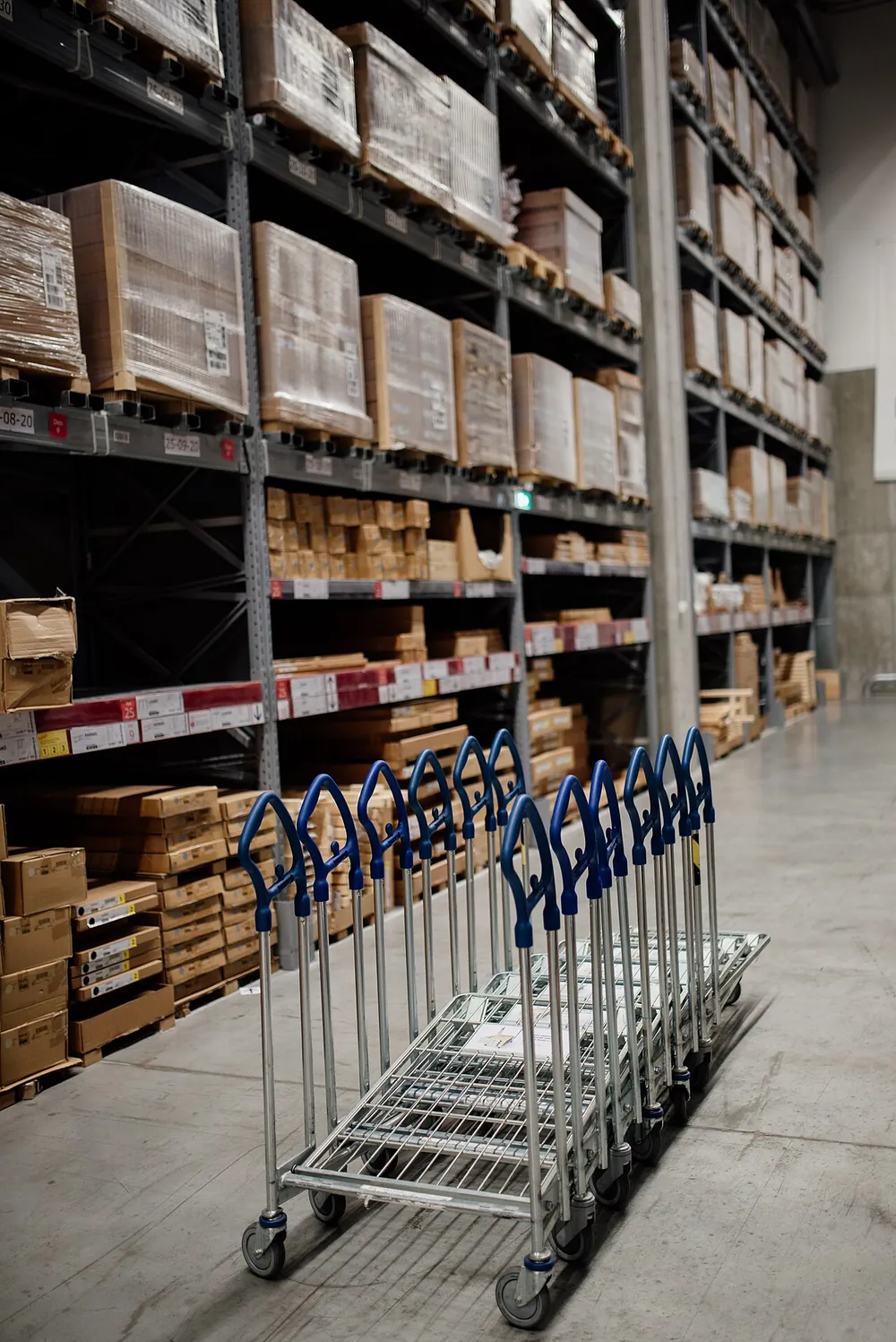
For a full picture of what a 1688 buying agent does and what it costs, read our 1688 buying agent guide. If you want to understand the DIY route, our how to buy from 1688 article covers what doing it yourself actually involves.
Alibaba: English Support, Higher Price
Alibaba (the international marketplace, sometimes called Alibaba.com) is the same wholesale world repackaged for overseas buyers. Listings are in English, suppliers expect international customers, and there is a support layer built for someone buying across borders for the first time.
The trade-off is cost. The same factory that sells at a low price on 1688 will often list a higher price on Alibaba because the international platform carries more overhead and more buyer protection. You are paying for convenience and a safety net, and for many buyers that is money well spent.
Alibaba does not always require an agent. If you are comfortable comparing suppliers, negotiating in English, and arranging your own shipping, you can buy directly. Where an agent still helps is consolidation: if you order from several Alibaba suppliers, someone still has to gather everything into one shipment, and that is where a China buying agent earns its fee even on Alibaba.
Taobao: Retail Quantities, Consumer Prices
Taobao is Alibaba’s consumer marketplace, the closest equivalent to a Chinese Amazon or eBay. It is built for individuals buying one or two items, not for businesses buying a container. That makes it the right place for samples, spare parts, personal items, or goods that simply are not sold wholesale.
Taobao shares 1688’s accessibility problem: the interface is Chinese and checkout assumes a Chinese account. Overseas buyers use a Taobao buying agent to buy retail items and forward them internationally. Our Taobao buying agent guide explains how to buy retail goods you cannot get abroad.
The important line to remember: Taobao is not for bulk. If you find a product you like on Taobao and want it in wholesale quantity, that same supplier is often on 1688 with a lower per-unit price. The agent can often find the wholesale equivalent for you.
Which Platform Should You Choose?
The decision reduces to three questions: what quantity you need, whether you need English support, and whether you are willing to pay for convenience. Match your situation to the table below.
| Your situation | Best platform | Why |
|---|---|---|
| Wholesale order, want the lowest price, willing to use an agent | 1688 | Factory-near pricing for bulk business buyers. |
| Wholesale order, want English support and buyer protection, direct | Alibaba | Built for direct overseas wholesale buying. |
| One or two retail items, samples, or spare parts | Taobao | Retail quantities without wholesale MOQs. |
| Multiple orders across several suppliers | 1688 or Alibaba + agent | An agent consolidates everything into one shipment. |
You do not have to pick one and stay there. Many buyers source the core order on 1688 through an agent, buy a sample on Taobao first, and keep an eye on Alibaba for comparison quotes. The agent is the thread that lets you move between them without learning three different platforms and payment systems.
How a Buying Agent Helps Across All Three
A buying agent removes the single biggest reason these platforms feel complicated: the buyer friction. The agent reads Chinese listings, negotiates, places the order, and handles payment through local channels, then consolidates and ships. That works identically whether the product is on 1688, Taobao, or Alibaba.
The agent also solves the multi-supplier problem. If your order spans three 1688 suppliers and two Alibaba vendors, the agent gathers all five into one warehouse and one shipment, which is cheaper and easier to track than five separate parcels. See our 1688 consolidation and parcel consolidation from China guides for how that math works.
Finally, the agent smooths the payment problem. Overseas payment to a Chinese supplier is one of the most common places a first order goes wrong, and our buy from China guide walks through the full order-to-door flow so you know what to expect before you commit.
Payment and Buyer Protection on Each Platform
Payment is where the three platforms diverge sharply, and it is a big part of why overseas buyers treat them differently.
On Alibaba, payment is built for international buyers: you pay through the platform’s channels, and tools like Trade Assurance give you a dispute process if the goods do not arrive or do not match the order. That structure is a genuine comfort for a first-time importer, and it is a large part of what the higher price pays for.
On 1688 and Taobao, payment is built for a Chinese buyer with a Chinese account and a local payment method. An overseas buyer typically cannot pay the supplier directly in the normal way, which is why both platforms are usually accessed through a buying agent. The agent pays the supplier through local channels on your behalf, then you settle with the agent. This is not a safety net in the Trade Assurance sense, but a good agent adds a practical layer of checking that the supplier is real and the order is progressing.
The takeaway is not that one platform is universally safer. It is that Alibaba bakes buyer protection into the platform, while 1688 and Taobao leave verification to you and your agent. Whichever route you take, put the terms in writing and do not send money without a clear order confirmation.
Communicating With Suppliers on Each Platform
The way you talk to a supplier also changes with the platform, and it is easy to underestimate how much this matters in practice.
On 1688, suppliers expect a Chinese-language conversation and often want to move off-platform to a messaging app quickly. They are used to fast, informal negotiation with domestic buyers, and an overseas buyer who does not speak Chinese is at an immediate disadvantage. This is one of the strongest arguments for an agent on 1688: the agent speaks the supplier’s language, both literally and commercially.
On Alibaba, communication is designed for overseas buyers. Messaging is in English, suppliers expect international customers, and the exchange tends to be more structured and formal, with quotes, invoices, and terms laid out. This is why Alibaba is the easier platform to use directly.
On Taobao, you are dealing with retail sellers, not business account managers. They are set up to process a sale, not to negotiate a wholesale relationship, so a bulk inquiry may get a slow or unhelpful response. If you want the same product at wholesale, the agent usually finds the supplier’s 1688 listing instead.
MOQ and Samples Across the Three Platforms
Minimum order quantity works differently on each platform, and it is a frequent source of sticker shock.
On 1688, MOQs are common because the audience is business buyers, and a listed MOQ is often negotiable, especially when an agent negotiates on your behalf. On Alibaba, MOQs are also common but are often quoted higher for overseas buyers, again reflecting the extra overhead of international selling. On Taobao, there is usually no meaningful MOQ because it is retail, so you can order one or two units, which makes it the natural place to buy a sample before committing to a bulk order.
A practical pattern many importers use: buy a sample on Taobao to check the product, then place the bulk order on 1688 through an agent to get wholesale pricing. The agent can bridge the two, finding the same supplier on the wholesale platform once you have confirmed you like the product.
Shipping and Logistics from Each Platform
How goods leave China depends heavily on which platform they came from, and this is another reason overseas buyers route things through an agent.
On 1688, suppliers ship domestically within China, not internationally. A 1688 seller expects to send goods to a Chinese address, which means an overseas buyer needs a China-side receiving point. That is exactly what an agent’s consolidation warehouse provides: goods go from the seller to the warehouse, and from there are combined and shipped internationally. Without that receiving point, a 1688 order has no obvious way to leave the country.
On Taobao the situation is similar. Sellers ship to a Chinese address, so the standard overseas flow is to send the parcel to an agent’s warehouse and have it forwarded, or consolidated with other items first to cut the shipping cost.
On Alibaba, suppliers are used to international shipping. Many will quote terms such as door-to-door delivery or handoff at a port, and they are accustomed to preparing export paperwork and coordinating with international freight. This makes Alibaba the most turnkey of the three for a buyer who wants goods shipped directly without a middle step.
The practical upshot is that 1688 and Taobao need a China-side address and a forwarding or consolidation step, while Alibaba can often ship direct. If you are combining orders from several platforms anyway, a single consolidation step through an agent usually beats managing multiple shipping lanes yourself.
Pricing, MOQ, and the Numbers You Should Not Trust
You will see specific prices and MOQs everywhere on these platforms. Treat them as starting points, not promises. A listed price may change with quantity, specification, and the time of year; an MOQ may be negotiable, especially when an agent negotiates on your behalf; and a listed shipping cost rarely reflects your actual destination and volume.
None of the three platforms guarantees a product matches its listing photos, and none of them inspects goods for you. If you need independent verification of a factory or a physical check of goods before shipment, that is a separate service you arrange yourself, for example through a provider like ForeignGo quality inspection. Our buying-agent scope covers sourcing, consolidation, and shipping; we do not perform factory audits or product testing.
Common Misconceptions About the Three Platforms
A few ideas float around these platforms that are worth clearing up before you spend money.
“Alibaba is always safer.” Alibaba has better buyer protection than 1688 or Taobao, but protection is not the same as verification. A platform dispute process helps after something goes wrong; it does not stop a bad supplier from taking your deposit in the first place. Do your own checking regardless of platform.
“1688 is only for Chinese companies.” The platform is aimed at the Chinese market, but overseas buyers access it every day through buying agents. You are not locked out; you just need the right bridge.
“Taobao is a cheap way to buy wholesale.” Taobao is retail, so per-unit prices are usually higher than the wholesale equivalent on 1688. It is the right place for samples and singles, not for a container order.
The Bottom Line
Choose 1688 for the lowest wholesale price and accept that you will work through an agent. Choose Alibaba when you want to buy direct in English with buyer protection and are willing to pay a bit more. Choose Taobao for retail quantities and samples. And if your order spans more than one platform or one supplier, use a buying agent to consolidate everything into a single, trackable shipment.
In practice, most growing buyers settle into a rhythm: source wholesale on 1688 through an agent, check samples on Taobao, and use Alibaba as a second opinion when a supplier looks too good to be true. The goal is not loyalty to one platform but the best landed cost on the goods you actually want to buy.
FAQ
Which is cheaper, 1688 or Alibaba?
1688 is usually cheaper because it is the domestic wholesale marketplace with factory-near pricing. Alibaba targets overseas buyers with English support and higher unit prices. The gap varies by product and quantity, so compare both for the same specification.
Can foreigners buy directly from 1688?
In practice it is difficult because 1688 is built for Chinese domestic buyers with a Chinese interface and local payment and shipping. Most overseas buyers use a 1688 buying agent to purchase, consolidate, and ship on their behalf.
Do I need a buying agent for Alibaba?
Not always, since Alibaba supports direct overseas buying in English. But an agent still helps you compare suppliers, negotiate, consolidate multiple orders, and arrange shipping, especially across several vendors.
Start With a Quote, Not a Guess
The fastest way to know which platform wins for your specific product is to ask someone who can check all three. Tell us what you are buying, the quantity, and your target price, and we will compare the realistic options and come back with a recommendation you can act on.
Send your product details and we will get back to you with next steps. If your next question is about freight, start on our shipping page.
Related guides
Related reading: China buying agent services and more sourcing guides.