
1688 Returns, Refunds and After-Sales for Overseas Buyers
Returns and refunds on 1688 are possible, but they run on the platform’s own rules rather than the ones you may be used to from Amazon or eBay. Your money is protected by Alipay’s escrow and by 1688’s buyer-protection system, but a refund only lands when the dispute process is followed, the supplier agrees or the platform rules in your favor, and — the part that trips up overseas buyers most — when someone in China can actually receive and check the returned goods. This guide explains how after-sales works on 1688, what you can realistically recover, and why a China buying agent changes the odds in your favor.
How Returns and Refunds Actually Work on 1688
1688 is a wholesale B2B marketplace, not a consumer storefront. That single fact shapes everything about after-sales. Suppliers set their own return and refund policies within the platform’s floor rules, and those policies are written for domestic Chinese buyers who can ship a parcel back for a few yuan. The protections you do get come from two layers.
The first is Alipay escrow. When you pay, the money isn’t handed straight to the supplier. It sits in escrow until you confirm receipt, or until a confirmation window closes and the platform releases it automatically. That window is your leverage: while the funds are still held, a refund request has real weight. The second layer is 1688’s buyer-protection and dispute system, where you open a claim, upload evidence, and let the platform mediate between you and the supplier.
The single most important button on the whole platform is “confirm receipt” (确认收货). The moment you click it, or the moment the automatic window lapses, the funds release to the supplier and getting money back becomes dramatically harder. Overseas buyers who don’t read Chinese frequently miss this, confirm early to “move things along,” and lose their refund leverage by accident.
| Aspect | Amazon / eBay | 1688 |
|---|---|---|
| Return window | Standardized, often 30 days | Supplier-defined, often 7 days or none for wholesale |
| Buyer protection | Platform-wide and uniform | Alipay escrow plus each supplier’s own policy |
| Refund process | Largely automated | Dispute, evidence, and platform mediation |
| Language | English | Chinese |
| Overseas buyer | Treated as first-class | Treated as domestic-facing; overseas support is thin |
The Main After-Sales Scenarios You’ll Hit
Most after-sales problems on 1688 fall into four buckets, and each has a different realistic outcome. Understanding which one you’re in before you start arguing saves weeks of back-and-forth.
Wrong or Missing Items
The supplier shipped the wrong SKU, short-shipped a quantity, or left an item out entirely. This is usually the easiest to resolve because it’s objective — the packing list and the received goods simply don’t match. Clear photos of the carton, the items, and the packing slip are usually enough. The remedy is normally a replacement or a partial refund for the missing value.
Damaged Goods
Something arrived broken. The key question is where it broke: before the carrier took it, or in transit. If the damage is from transit, it’s a carrier claim and depends on your shipping insurance and the carrier’s liability terms. If the supplier packed it badly, the supplier is on the hook. Either way, photographic evidence taken immediately on receipt is what decides the claim.
Goods That Don’t Match the Listing
The product differs from what was described — wrong material, wrong color, smaller than pictured, or a “sample” that was better than the production run. This is the hardest to win because it’s subjective. You need evidence that shows the gap between what you ordered (a clear, written spec) and what you received. Vague complaints rarely succeed; a documented discrepancy does.
Non-Delivery
The supplier never shipped, or the goods never arrived. If you haven’t confirmed receipt, escrow protects you and a full refund is the strongest case on the platform. If the supplier shipped and the parcel vanished, it becomes a carrier investigation rather than a supplier dispute.
Why Returns Are Harder When You’re Overseas
Every one of those scenarios gets harder the moment you add an international border and a language barrier. Four things stack against a DIY overseas buyer.
First, language. The dispute interface, the supplier’s messages, and the platform’s mediation are all in Chinese. Misreading a single status or deadline can cost you the claim. Second, return shipping. Sending goods back to China is expensive and slow — often costing more than the item is worth, which makes a physical return irrational for most small orders. Third, you have no one on the ground in China to receive the return, inspect it, and confirm to the platform that it arrived in the right condition. Fourth, time. Dispute windows are short, and an overseas buyer reacting from another time zone is always late.
The practical result is that a DIY overseas buyer often writes off a bad order as the cost of doing business, because the recovery effort outweighs the recovered value. A buying agent removes most of that friction.
What a Buying Agent Does for Returns and After-Sales
This is where a 1688 buying agent changes the math. The agent acts as your presence in China, and that changes every step of an after-sales claim.
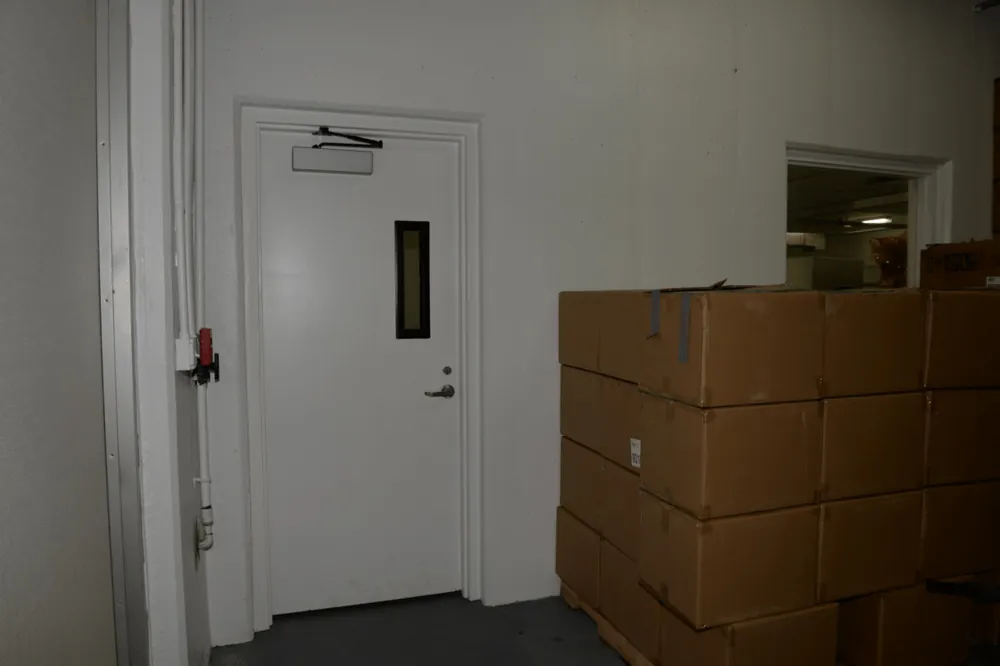
- Receives goods in China, not at your door. Your order goes to the agent’s warehouse first. Problems are discovered before the goods ever cross a border, when they’re cheap to fix.
- Does a basic receiving check. The agent counts items, confirms the SKUs match your order, and flags obvious damage on arrival. This is a basic order check — not a formal quality inspection — but it catches the wrong/missing/damaged cases before export.
- Documents evidence properly. Photos and videos taken in the warehouse, in the right format for a dispute, are far stronger than whatever a frustrated buyer can photograph from home.
- Negotiates with the supplier. A native speaker negotiating in the supplier’s own language, during Chinese business hours, gets a faster and better outcome than a message through a translator.
- Handles the return domestically. If goods do need to go back, the agent ships them within China for a fraction of what an international return costs.
- Consolidates the replacement. A replacement doesn’t ship on its own at full freight — it rides in your next consolidated order.
| Step | DIY overseas buyer | With a China buying agent |
|---|---|---|
| Receiving | Goods reach your country first; problems found late | Agent receives in China; problems caught before export |
| Evidence | Hard to gather remotely | Photos and videos taken on the spot |
| Return shipping | Expensive international return | Cheap domestic return within China |
| Negotiation | Language and timezone barrier | Native speaker, local hours |
| Replacement | Shipped separately at full freight | Consolidated into your next order |
What You Can Realistically Recover
Nobody can promise you a specific refund, because the outcome depends on the supplier, the evidence, and the platform’s ruling. But the realistic range for each scenario is fairly stable, and knowing it keeps your expectations honest.
| Scenario | What you can usually recover | Realistic note |
|---|---|---|
| Wrong or missing item | Replacement or partial refund | Depends on supplier cooperation and clear evidence |
| Damaged in transit | Carrier claim or supplier compensation | Depends on fault and whether you carried insurance |
| Not as described | Refund if evidence is strong | Platform mediation may be required |
| Never shipped | Full refund via escrow | Strongest case, before you confirm receipt |
Every amount and timeline above is a range, not a guarantee. Actual recoveries vary by supplier and case, and any specific figure should be confirmed against your own order before you rely on it. The honest rule is: the earlier a problem is caught — ideally in China, before export — the more of your money you keep.
After-Sales, Returns, and Refunds: Know the Difference
These three terms get used interchangeably, and the confusion causes real mistakes. After-sales is the umbrella — everything that happens after you pay, including support, warranty, and fixes. A return is the physical act of sending goods back to the supplier. A refund is money coming back to you, which doesn’t always require a return. On 1688 you’ll more often end up with a refund or a replacement than a physical return, because returning goods internationally is so costly.
When you’re negotiating, be specific about which of the three you want. Asking for “after-sales support” when you mean “send my money back” wastes a negotiation round. A buying agent can usually resolve a wrong-item case with a replacement that ships in your next consolidated order, which costs less than either a return or a standalone refund shipment. Clarity up front is what turns a messy back-and-forth into a single resolved outcome.
What to Document Before You Open a Dispute
The quality of your evidence decides most after-sales cases, and most of it has to be captured the moment the problem is found — not reconstructed later. Before you open a dispute, make sure you have these pieces in hand.
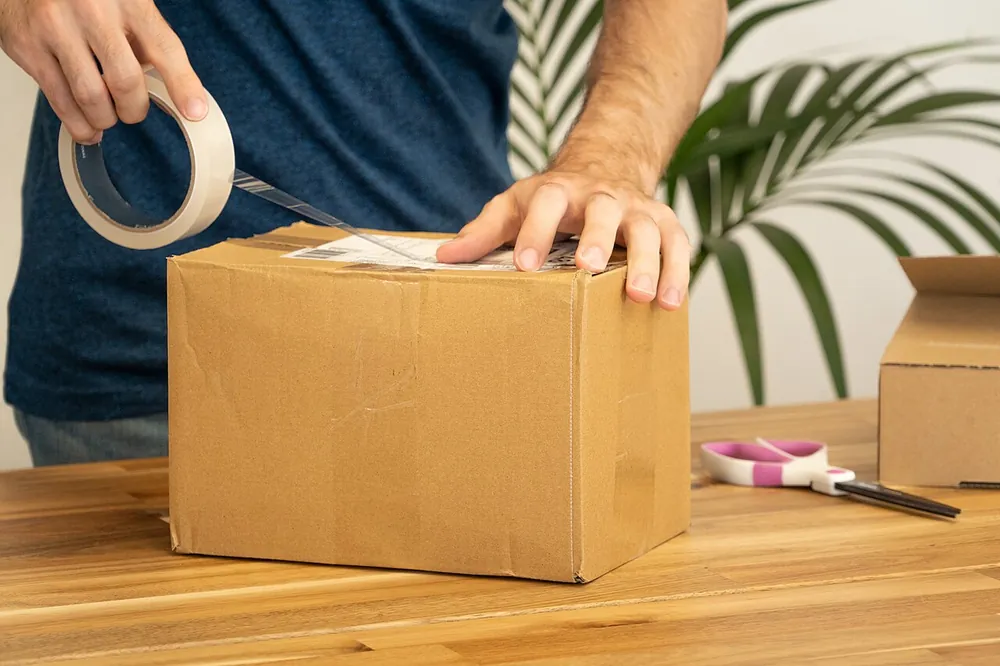
- Photos or video of the received goods. Capture the carton, the items, and any damage in the same frame, ideally with the shipping label visible.
- A copy of your order detail and the original listing. Listings change after the fact, so save what the seller advertised when you bought.
- The packing list and any parcel labels. These tie the shipment to the supplier and the order.
- A written statement of the discrepancy. Concrete, not vague — “ordered 500 units of X, received 480, carton damaged” beats “this is wrong.”
If you’re using a buying agent, they capture this at the warehouse in the format the platform expects. If you’re doing it yourself, photograph everything before opening packages, and keep the packaging until the case closes. The earlier and more completely you document, the more of your money you keep.
Reducing Returns Before You Order
The cheapest return is the one that never happens. Three habits remove most after-sales pain at the source. Order a sample before committing to a full production run. Lock a clear, written specification — material, dimensions, color, packaging — so “not as described” becomes an objective test rather than a feeling. And confirm the product details before the supplier ships in bulk.
There is one boundary worth stating plainly. A buying agent does a basic receiving check — count, SKU, obvious damage — but formal quality control to a standard like AQL is a separate service. If you want an independent pre-shipment inspection before your goods leave China, that’s handled by a dedicated provider, arranged separately from buying and freight. Catching defects before export is the surest way to avoid the entire returns conversation. You can also learn more about avoiding risk at purchase time in our guide to whether 1688 is safe, and how payments work in how to pay a 1688 supplier from overseas.
Frequently Asked Questions
Can I get a refund on 1688 as an overseas buyer?
Yes, but through the platform’s dispute process, not a universal return button. Your leverage is highest while funds are still in Alipay escrow and before you confirm receipt. A strong, documented case — photos, packing list, written spec — is what gets a refund or replacement approved.
Who pays for return shipping on 1688?
It depends on the fault and the supplier’s policy. If the supplier sent the wrong or defective item, they usually cover the domestic return within China. But an international return from your country to China is a different matter — it’s often uneconomical, which is why catching problems at a China warehouse before export matters so much.
How long does a 1688 refund take?
There’s no fixed timeline. A straightforward wrong-item refund with good evidence can resolve in days to a couple of weeks; a contested dispute that requires platform mediation can take longer. The timeline depends on the supplier’s responsiveness and the strength of your evidence.
What happens if my supplier never ships the order?
If you haven’t confirmed receipt, your money is still protected by escrow, and non-delivery is the strongest refund case on the platform. Open a dispute with the platform, provide your order and payment record, and the funds should be returned. Avoid confirming receipt until the goods actually arrive.
Should I return a defective product or just ask for a refund?
For overseas buyers, returning goods is usually the wrong move because international return shipping often exceeds the item’s value. In most cases you’re better off pursuing a refund or replacement, and letting a buying agent handle any domestic return within China on your behalf.
Hand Off After-Sales to Someone in China
If you’re ordering from 1688 and don’t want to manage returns and after-sales from another time zone, in a language you may not read, with no one on the ground to receive the goods, hand the whole chain to a buying agent. Tell us the product and quantity, and we’ll handle receiving, the basic order check, and any after-sales claim on your behalf — so problems get caught in China, while they’re still cheap to fix. Contact us for an after-sales plan or see our shipping options.