
1688 Supplier Payment: Deposit, Balance and Disputes
The moment money changes hands on 1688 is the moment most overseas buyers lose their negotiating power. You send a deposit, the factory starts production, and from that point forward every conversation is shaped by how much you have already paid and how much you still hold back. Get the structure right and the supplier has a strong incentive to deliver exactly what you ordered. Get it wrong and you are funding a factory that no longer needs to impress you. This guide explains how 1688 supplier payment actually works: the standard deposit and balance split, when milestone payments make more sense, what to fix in writing before you transfer anything, and what your realistic options are when a dispute breaks out. The goal is not to avoid paying suppliers; it is to pay them in a sequence that protects your order at every step.
How Payment Actually Works on 1688
1688 is a domestic Chinese wholesale platform, and its built-in payment system is designed for buyers inside China. Domestic buyers pay through Alipay, the platform’s escrow wallet, and in many cases the payment is held by the platform until the buyer confirms receipt. That escrow layer is the reason Chinese buyers feel comfortable paying upfront. Overseas buyers do not get the same experience. Alipay accounts linked to foreign cards and foreign identity verification are hard to set up, the platform interface is entirely in Chinese, and customer support is aimed at the domestic market. In practice, most international buyers cannot use 1688’s own checkout at all, which means the money usually moves outside the platform through a bank wire, a payment service or a buying agent.
Once payment moves off-platform, the platform’s escrow protection moves off the table as well. You are no longer protected by 1688’s dispute machinery in any practical sense; you are protected by whatever you agreed with the supplier in writing, plus whatever your payment method or agent offers. That single fact explains most of the advice in this guide. The structure of your payment, the timing of your balance, and the evidence you collect are your real protection, because the platform’s automatic safeguards are largely unavailable to an overseas buyer paying by wire.
The suppliers know this, which is why negotiation about payment terms is normal and expected. A supplier asking for fifty percent upfront is not automatically scamming you; a supplier that flatly refuses to discuss any structured terms, and demands one hundred percent before production, should set off alarm bells. The rest of this guide is about finding the structure between those two extremes.
The Standard Deposit and Balance Structure
The classic arrangement on 1688 is a thirty percent deposit with the seventy percent balance paid when the goods are ready to ship. That is the structure you should aim for on a standard order: enough upfront that the factory can buy materials and reserve production capacity, but not so much that you cannot walk away from a bad batch. The thirty percent also roughly matches the factory’s material cost, which matters in a dispute: if production goes wrong, the factory has not lost its raw material outlay, and there is room to negotiate a fix rather than a collapse.
In practice the split moves with order size and product type. On small trial orders, suppliers often ask for one hundred percent upfront, because the cost of managing a split payment on a few hundred dollars of goods is not worth it to them. On large orders, the deposit can drop to twenty percent or even ten percent for long-standing relationships. Customized products push the deposit up to fifty percent or more, because a custom item has no resale value if you cancel; the factory is protecting itself against a buyer who disappears after the molds are cut. Generic, stock products pull the deposit down, because the factory can resell them to someone else.
Whatever the percentage, the timing of the balance payment is the part worth fighting over. The supplier will ask for the balance when the goods are finished and sitting in the factory. You want the balance tied to evidence: photographs of the finished goods, a video of the cartons being packed, or a third-party inspection report that confirms quantity and quality. The compromise most buyers settle on is paying the balance when the goods are confirmed finished and photographed, with inspection scheduled either before or immediately after. Paying the balance before the goods are even produced is simply a zero percent deposit wearing a disguise.
Milestone Payments: When the Split Should Be Different
Not every order fits the thirty-seventy pattern. Long production runs and custom orders deserve a milestone structure, where money is released in three or more stages tied to visible progress. A common version looks like this: thirty percent to start, thirty percent when the factory submits photos or video of the completed production run, thirty percent when a third-party inspection passes or the goods reach the consolidation warehouse, and ten percent held until the container is confirmed loaded. Each stage is attached to evidence, and the supplier only earns the next payment when the previous stage is demonstrably complete.
Milestone payments solve the two worst failure modes on 1688 orders. The first is the factory that stalls: with one large upfront payment, a supplier that gets a more profitable order can park yours for weeks, and you have no lever. With staged payments, the next payment is the lever. The second is the quality drift that happens late in production: the sample was perfect, but the bulk run used cheaper filling or a different fabric, and by the time you see it the goods are already on a ship. A milestone structure forces the factory to prove the run before the final third is released.
There is a cost to asking for milestones, and it is worth saying plainly: suppliers prefer simple structures, and some good factories will say no. The realistic approach is to propose milestones on orders where the risk justifies them, usually custom production or anything above a few thousand dollars, and to accept a two-stage split on small stock orders where a complicated structure would scare off a good supplier. The structure should match the risk, not your anxiety level.
Payment Methods You Can Actually Use from Overseas
Because 1688’s own checkout is closed to most overseas buyers, the money has to travel by another route, and each route has its own protection characteristics. Bank wire transfer, usually by SWIFT to the factory’s or agent’s Hong Kong or mainland account, is the default for serious orders: it is direct, the fees are predictable, and it leaves a paper trail. Its weakness is that it offers essentially no chargeback protection once the funds arrive, which is precisely why the deposit and balance structure matters so much.
PayPal occasionally appears in 1688 conversations, and it is worth understanding what it can and cannot do. It is convenient for samples and small payments, and its dispute system does give the payer some leverage, but Chinese factories rarely accept it for bulk orders because the fees are high and the buyer-side dispute risk annoys them. When a factory does accept PayPal, the transaction fee is usually added to your invoice. Credit cards have the same profile: possible for small amounts through a payment processor, unusual for production orders.
The route that changes the protection picture entirely is paying through a buying agent. You pay the agent in your own currency by bank transfer, card or an online platform, and the agent pays the factory in RMB through the domestic system, which brings back the platform escrow and domestic dispute channels that an overseas buyer cannot reach alone. The agent’s own terms add a second layer: reputable agents hold the balance until the goods pass inspection in their warehouse. For a deeper walkthrough of the channels themselves, see our guide on how to pay a 1688 supplier from overseas safely, which covers fees, currency and step-by-step payment through an agent.
One more variable deserves attention when you plan the payments: currency. 1688 prices are quoted in renminbi, and the exchange rate that applies to your deposit is rarely the rate that applies to the balance a month later. A three percent move in the rate on a ten thousand dollar order is three hundred dollars of unplanned cost or saving, depending on direction. If you pay through an agent, confirm whether the rate is fixed when you send funds or floating until the balance is settled, and keep the quoted RMB total as the reference so you always know the true cost in your own currency. On large orders, some buyers split the transfer to average the rate rather than betting the whole amount on one day’s rate. It is a small optimization, but it belongs in the same planning step as the deposit and balance split.
What to Fix in Writing Before You Send the Deposit
The document that protects you on a 1688 order is not usually a formal contract; it is a written record of agreed terms. That can be a purchase agreement on letterhead, but it can equally be a detailed chat message or an email that both sides confirm. What matters is that the terms exist in writing, in one place, before any money moves. Once the deposit is sent, the supplier’s memory of the deal becomes remarkably flexible, and only the written version stays rigid.
The minimum written terms are: the exact product specification with material, dimensions, color and quantity; the unit price and the total amount in the agreed currency; the deposit amount and the exact trigger for the balance payment; the production and delivery timeline with a defined start date; who arranges and pays for domestic freight; who inspects the goods and when; and what happens if production is late, short, or fails inspection. Add the supplier’s business license details and the bank account name, and confirm that the account name matches the company on the license. Money wired to a personal account that does not match the company is one of the classic ways overseas buyers lose deposits.
Two more clauses are worth their weight. The first is a quality standard: attach the approved sample photos or reference the sample itself as the standard for the bulk run, and state that the balance is only payable once the bulk matches the sample. The second is a remedies clause: if the supplier is late, you can cancel with a deposit refund; if goods fail inspection, the supplier reworks or refunds; if the supplier never ships, the deposit is refunded in full. Even a simple sentence of each is far better than silence, because it converts a vague disagreement into a specific broken promise when things go wrong.
Disputes on 1688: What Protection You Really Have
Let us be honest about the dispute machinery before describing how to use it. If you paid through 1688’s domestic escrow, which usually means you paid through an agent or a domestic partner, the platform’s dispute process is a genuine asset: you can open a dispute, submit evidence, and the platform can freeze the funds while it decides. If you paid by wire outside the platform, the platform will not help you at all, and your options narrow to negotiating directly with the supplier, pressure through the agent who introduced you, or pursuing the funds through your bank and, in serious cases, legal channels. That asymmetry is why the payment structure is your first and best protection.
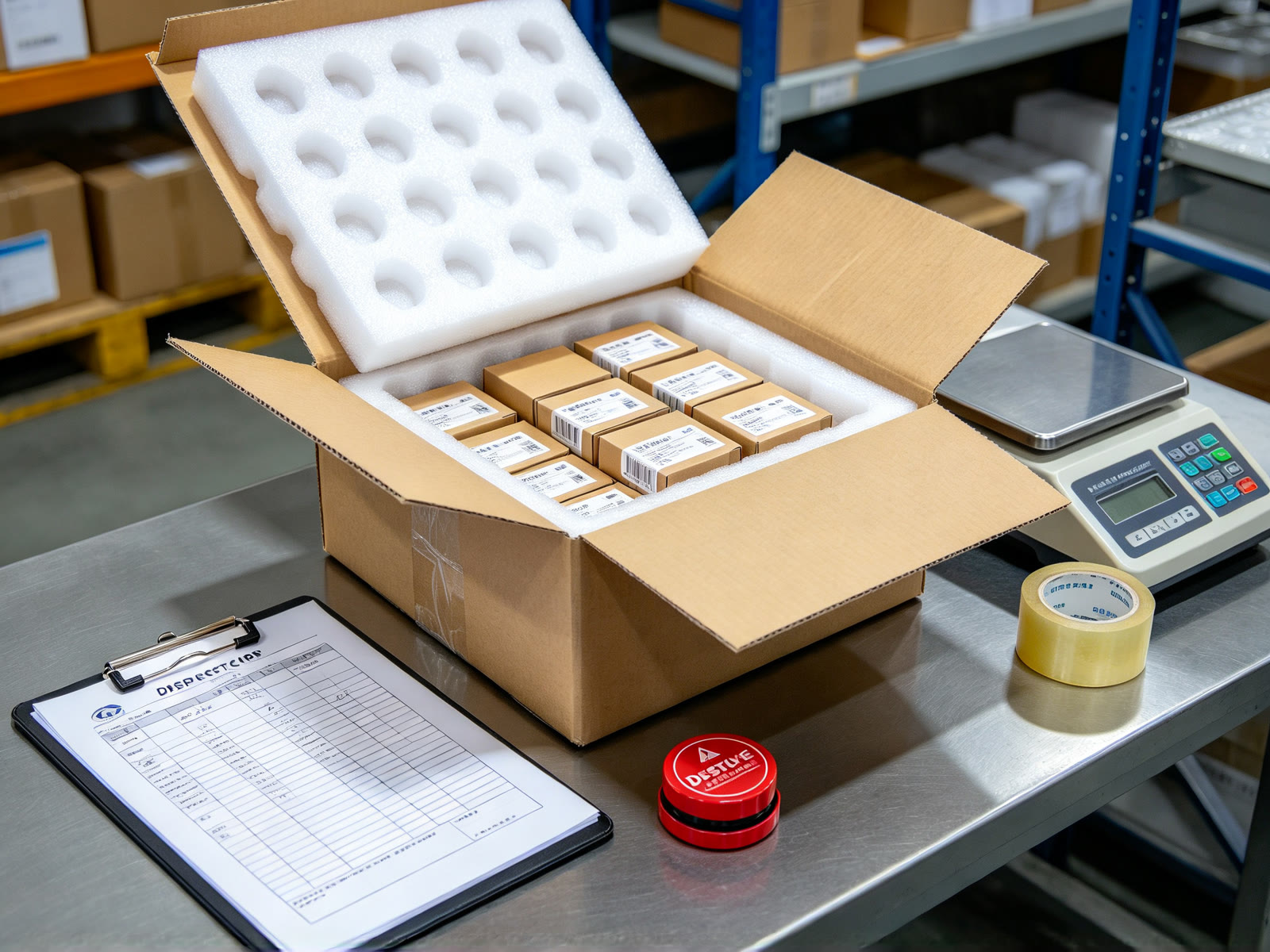
When a dispute does break out, the sequence that works best is boring but effective. First, put the problem in writing in one message: what was ordered, what was delivered or not delivered, and the evidence, with photos attached. Ask for a specific remedy with a deadline, usually a rework, a replacement, a price reduction or a refund. Second, keep every message, because chat records are the evidence that matters in any platform dispute or later claim. Third, use the leverage you still hold. If you have not paid the balance, the unpaid balance is your strongest card: never release it until the issue is resolved in writing. If you have paid everything, your leverage is reputational and commercial: reviews, platform complaints, and the loss of your future orders, which matters more to a factory than a stranger’s anger.
For serious amounts, escalate in order: the platform dispute system if the payment was escrowed, then your payment provider’s chargeback or fraud channels if any apply, then a formal demand through a Chinese-speaking professional or a lawyer, and finally the courts, which are slow, expensive and rarely worth it below five figures. A buying agent changes this picture twice: the agent is in the same country as the supplier and can argue in Chinese with factory owners, and the agent’s own reputation depends on not leaving clients holding worthless goods. Both effects are real and both are worth money.
How a Buying Agent Handles Deposits and Disputes
An agent does not simply relay your payment; a good one restructures the payment so the protection is built in. The standard flow at cnb2bgo and similar services runs like this. You send funds to the agent in your currency. The agent pays the supplier in RMB through the domestic system, keeping the domestic escrow protection alive. The goods are produced, and then the critical step happens: the agent inspects the order in its warehouse before the balance is released. If the goods do not match the approved sample, the balance is not paid until the factory fixes the problem. Your money is never exposed to a factory that has already given up.
That sequence is the difference between hoping and verifying. A solo overseas buyer usually pays the balance on the supplier’s word and a few phone photos, then discovers the problem when the container arrives in their country, where every remedy is slow and expensive. An agent catches the same problem in Guangzhou or Yiwu, while the goods are ten minutes from the factory and the supplier still wants the remaining payment. The disputes the agent resolves are usually mundane: short-shipped cartons, a color that drifted, a filling that got cheaper. Mundane is exactly what you want, because a mundane dispute settled in China costs a rework or a discount, while the same dispute discovered after import costs a return shipment or a destroyed batch.
The agent also disciplines the payment terms themselves. Because agents order every week, they know the standard splits, they know which suppliers accept milestone terms, and they are not impressed by a factory demanding full upfront payment with no inspection window. That negotiation leverage is something a first-time overseas buyer simply cannot reproduce, and it is worth at least as much as the freight savings agents advertise.
Frequently Asked Questions
What is a normal deposit percentage on 1688?
Thirty percent deposit with seventy percent balance before shipping is the standard structure for most orders. Small trial orders often go to one hundred percent upfront, large or long-standing orders can drop to twenty percent or ten percent, and custom production frequently sits at fifty percent because the goods have no resale value if you cancel. Whatever the percentage, always confirm it in writing with the exact trigger for the balance payment.
When do I pay the balance on a 1688 order?
The balance is normally due when production is complete and the goods are ready to ship. Never agree to pay the balance at the start of production, which would make the upfront payment effectively one hundred percent. The safest version ties the balance to evidence: finished-goods photographs, a packing video, or an inspection report. If a buying agent holds the goods, the balance should only be released after the inspection passes.
Can I get my deposit back if the supplier never ships?
Sometimes, and the odds depend on how you paid. If the payment went through 1688’s domestic escrow, typically via an agent, the platform can freeze funds and rule on a refund. If you wired the money directly, you must rely on the written agreement and the supplier’s willingness to comply, plus pressure through your bank or a local professional. This is why a written cancellation clause stating that a late supplier refunds the deposit is worth negotiating before you pay.
Does 1688 have buyer protection for overseas buyers?
1688’s built-in buyer protection is designed for domestic transactions paid through its escrow system. Overseas buyers who wire money outside the platform are generally outside that protection. The practical ways to regain protection are paying through a buying agent that pays the supplier inside the domestic system, choosing a payment method with chargeback rights for small amounts, and structuring the payment so the unpaid balance protects you.
Should I pay the balance before the goods are inspected?
Preferably not. The unpaid balance is your strongest negotiating position, and releasing it removes the supplier’s main incentive to fix problems. The workable compromise is paying the balance when the goods are confirmed finished and photographed, with inspection scheduled immediately. Through a buying agent, the better structure is available: the agent inspects in its warehouse and only then releases the balance to the factory.
What should I do if the supplier wants a higher deposit?
Ask why, in writing. If the product is custom or the order is small, a higher deposit may be legitimate, and you can offset it by strengthening the other protections: clearer specification, a milestone schedule, and a defined refund trigger. If the reason is vague and the supplier refuses any structured terms, treat it as a red flag and consider another factory. There are usually dozens of alternative suppliers for any given 1688 product.
Can a buying agent hold my payment until the goods pass inspection?
Yes, and this is the core advantage of routing an order through an agent. You pay the agent, the agent pays the factory through the domestic system, the goods go to the agent’s warehouse, and the balance is only released once inspection confirms the goods match the approved sample. The agent also argues disputes in Chinese, on the ground, while the goods are still in China, which is where almost every payment dispute is cheapest to settle.